Foreword
Today marks a special occasion for our small group. Exactly three years ago, on January 16, 2023, the cinephile collective “The Dissidents” carried out its first public activity on the Chinese internet. Three years have passed in a flash. Much has changed, yet nothing feels truly lost. Many of us have changed as well: some old friends have chosen to leave or gradually fade away, while new faces have continually joined us. Taken as a whole, we can say with confidence that The Dissidents, as a collective, has undergone a kind of growth we never previously experienced.
Our greatest regret over these three years is that we never took the opportunity to fix our own coordinates in time through writing. The “Annual Review” is an important ritual in cinephile circles, and naturally The Dissidents did not want to miss out. In fact, we planned to write one as early as our first year. Perhaps, however, we were always too eager to move forward and expand outward. As a result, our self-reflection never quite kept pace with our changes. Coupled with the twin enemies of procrastination and the swift passage of time, the plan was repeatedly shelved. In the second half of this year, though, we finally learned our lesson and began breaking our reviews down into monthly units. Having done so, we now have no excuse to avoid this year-end reckoning.
Let us briefly revisit the years that slipped by. 2023 was the era of Editor-in-Chief desi, marked by the particular arrogance, freedom, and ease of a start-up. We never imagined The Dissidents would grow to its present scale; at the time, all we had was a close-knit friendship formed around shared interests. In 2024, ToumingCabinet took over, ushering in a genuine division of labor. Activities and output began to be treated as serious work, and many of the basic workflows we still rely on today were established during that year. 2025 was a year of both chaos and ambition. Through the collective efforts of the core members, The Dissidents hosted the largest and most costly events in our history, greatly expanding our reach, even as cracks caused by inefficiency and poor communication began to emerge.
Now, as we look ahead to 2026, is it time for a new leader to open a new chapter? We are pleased and honored to announce that, effective immediately, Azai will assume this role as the third Editor-in-Chief of The Dissidents.
What, exactly, does an Editor-in-Chief do? And what does a change in leadership truly signify? It is difficult to offer a concise explanation to our readers. In truth, after three years of practice, we have never fully defined the position ourselves. That said, since joining the editorial board, Azai has taken on much of the day-to-day operations and event coordination of The Dissidents, and has, in practice, been deeply involved in the planning and decision-making of our core affairs. In this sense, she is fully capable and well qualified. Beyond the practical responsibilities, perhaps the most important qualities of an Editor-in-Chief are a sense of responsibility and momentum, as well as the ability to effectively mobilize and bring people together. Azai’s strengths in these respects are evident to everyone on the board. Her appointment, therefore, is the result of unanimous agreement. We look forward with great anticipation to a new year under her leadership.
The following text includes several sections written by the new Editor-in-Chief, Azai, along with contributions from various members of the editorial board. Part V presents The Dissidents’ Top 10 Films of 2025.
I. Where to Find Us
by Azai
0
Over the past year, The Dissidents published 54 original long-form articles as a film criticism outlet. These included 32 film reviews, alongside interviews, essays, editorials, and exhibition guides.
In terms of film history, our attention continued to follow our long-standing interests: Kramer, Huillet–Straub, as well as Lynch, Godard, and Lubitsch. These were also the directors at the center of our curatorial and “viewing” activities, which will be discussed in more detail later. Our engagement with contemporary cinema focused primarily on major international film festivals and commercial releases. In addition, we attended the FIRST International Film Festival last year as accredited media, where we encountered several young independent works that genuinely surprised us. Some of these films were later included in members’ personal Top 10 lists.
Despite maintaining a steady publishing rhythm, The Dissidents, as a non-profit organization, does not provide remuneration for regular submissions (with the exception of articles previously commissioned by Peliplat). We rely entirely on voluntary contributions from our members. Because the editorial board operates on an invitation-only basis and presupposes a certain level of shared understanding, we publish whatever our members choose to submit, subject only to minimal proofreading and editing. Inevitably, each author brings a distinct style and set of concerns. As a result, although our platform is held together by certain shared principles, the writing itself varies widely in tone and approach, and viewpoints among members often diverge sharply. We have never sought to project a single, unified “voice.” Rather, we aim to provide a relatively free space for creative expression. At the same time, we are our own readership, taking pleasure in recognizing the familiar voices of friends across different texts and influencing one another in the process.
What I have described above is an idealized and modest vision of our organizational form. In practice, The Dissidents is constantly confronted with more mundane constraints. Because everyone must juggle personal lives, and because writing here is purely a labor of love, only a small number of members are able to contribute consistently. Moreover, many of our articles are lengthy and demand sustained attention, which means that fragmentary ideas are often abandoned for lack of an appropriate outlet. We generally lack lighter, more sustainable modes of writing. Most importantly, this “fan interest group” model often results in articles that are isolated from one another, loosely connected at best. Aside from a few series sustained by individual enthusiasm—such as desi’s “Hong Sang-soo Notes,” TWY’s series on El Pampero Cine, and the limited scope of our “Cannes Review” unit—we rarely produce systematically organized content.
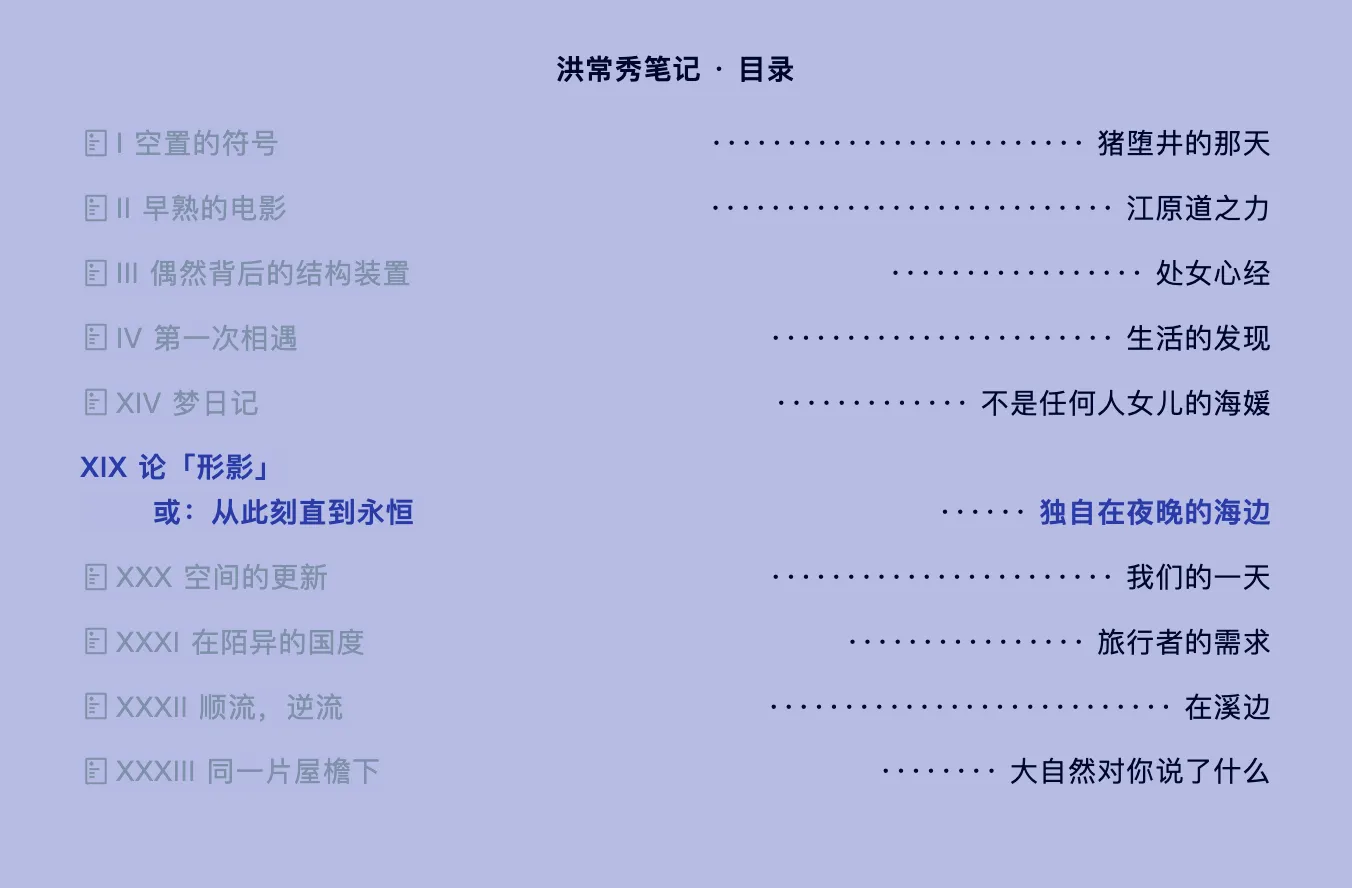
The most significant shift in 2025 was our move toward segmentation and serialization. From the collective writing commemorating Lynch at the beginning of the year, to the themed “Online Screenings” and Q&A sessions in the second half, along with their accompanying translations, the “Monthly Review” section, and podcast episodes co-produced with “Wavelength Cinema,” we expanded beyond the isolated single-article format. Connections between different pieces of content became closer and more intentional.
These changes were made possible by The Dissidents’ gradual transition from a loose chat group of cinephiles to a more organized, collaborative structure. In October, we conducted an interview with the four directors of the Omnes group. Eight people participated in preparation and interviewing, while seven others (including members of the translation team) divided the work of translation, proofreading, and editing, ultimately organizing a 30,000-word transcript within a single month. Many similar collaborations took place. These are not tasks that one person could not, in theory, complete alone, but as an interest-driven collective, we must continually adapt in order to find sustainable ways of working together.
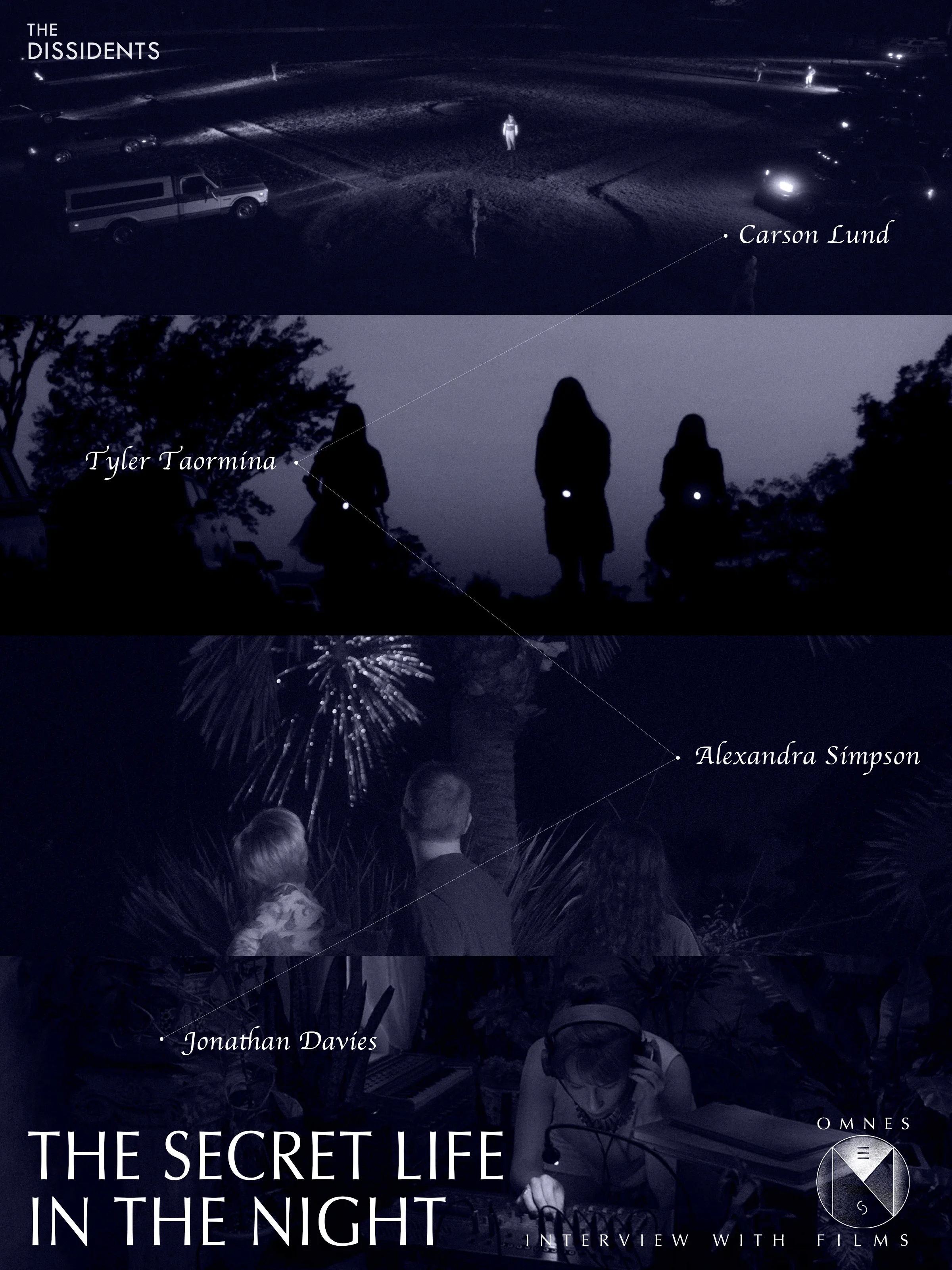
Beyond Omnes, we engaged in dialogue with several other “groups” over the past year. We interviewed two directors from El Pampero Cine, Laura Citarella and Alejo Moguillansky. Their films exist outside Argentina’s official distribution system and are committed to fostering a more egalitarian mode of creation among crew members. We also interviewed a young creator, Li Xinyue, whose work New Moon, Chapter One benefited from workshops organized by the Caochangdi Workstation. Participants there regularly engage in long-form non-fiction writing, reading groups, and somatic or video-based creation. They uphold a decentralized, “amateur” philosophy of creation and maintain close exchanges around one another’s work. El Pampero, Omnes, and the closer-to-home Caochangdi Workstation continue to inspire us in thinking about collective practice.
1
The Dissidents’ 2025 began with the David Lynch Screenings in February. If the “Monthly Reviews” and editorial notes of the latter half of the year revealed the early shape of a kind of journal, then the body of work surrounding the Lynch screenings constituted our first truly systematic presentation of content.
This was a large-scale academic screening series held over three weekends at universities in Shanghai, Hangzhou, and Beijing. Our program covered all of David Lynch’s feature films (excluding Dune [1984], but including the Twin Peaks pilot and Part 8 of Season 3), as well as short works from different periods. Taking these films as a point of departure, we also selected numerous works by other filmmakers from across film history to screen alongside them, highlighting the dual presence of classical Hollywood and the avant-garde in Lynch’s cinema.
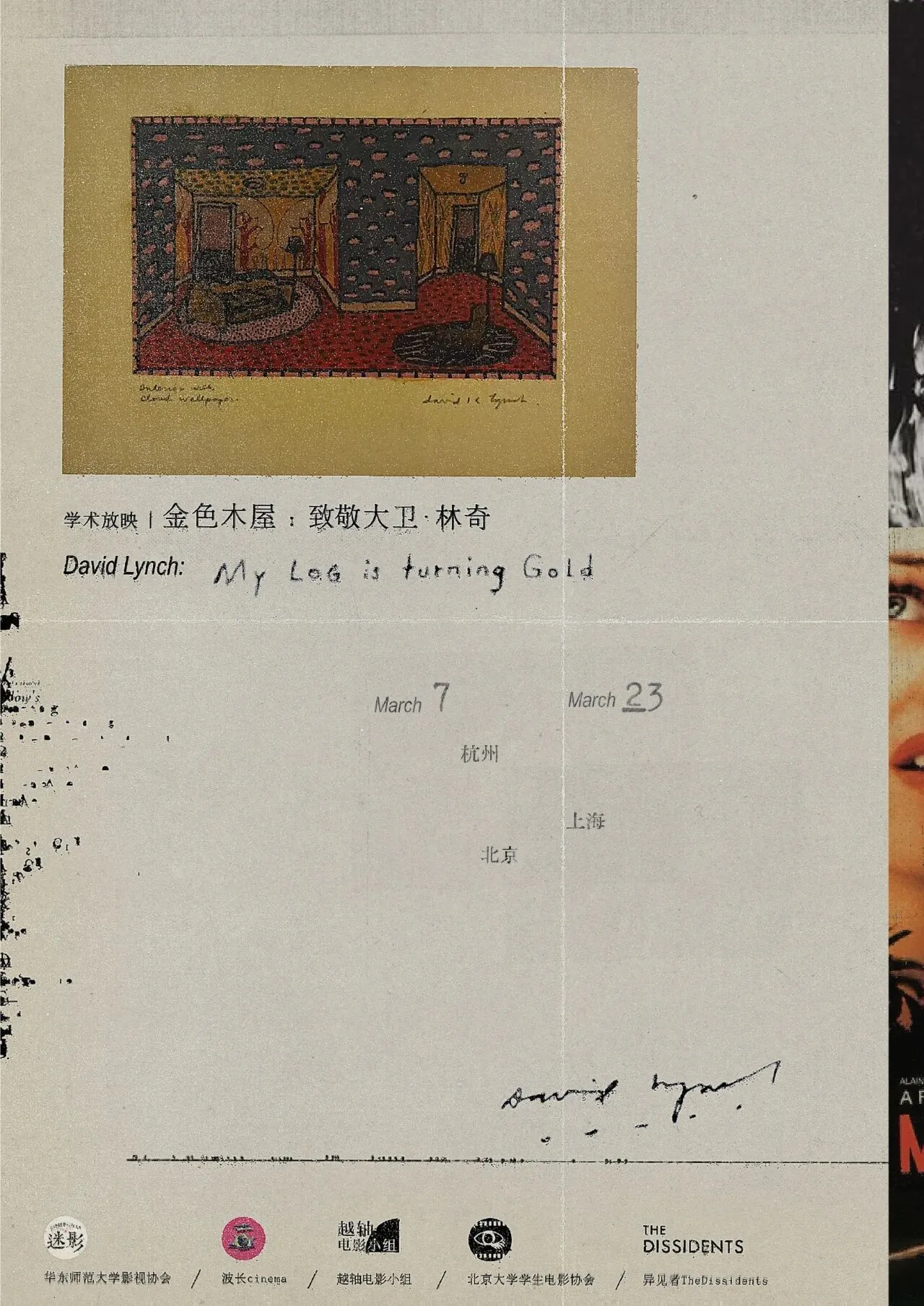
Ahead of each week’s screenings, we published a corresponding guide, printed as a booklet and distributed free of charge to audiences. Each feature film was accompanied by one or more reviews and translated reference texts. Every subtitle track was checked, proofread, or newly translated. Each screening unit included pre-show videos and music, presenting Lynch’s work in other artistic fields and curating the diverse output of the Twin Peaks fan community. Post-screening Q&A sessions were organized for every feature, with participation from different members and more than a dozen invited guests. Some of these sessions were later edited into podcast episodes released on “Wavelength Cinema.”
It was, by any measure, a near-impossible undertaking—one need only a glance at the extraordinarily long “Credits & Thanks” section at the end of the event summary. Academic screening channels, the support of cinephiles across multiple cities, and enormous investments of time and labor were all indispensable. As the exhibition took shape, we received many unsolicited offers of help and invitations, all rooted in a shared love for Lynch. I need not reiterate Lynch’s influence on us; the emotional transmission triggered by a death in Twin Peaks has long since tangibly reshaped our expectations. This was a film festival that belonged to friends. We organized its various components not out of obligation, but out of passion and a desire to invite others into that space. We hoped the exhibition would have room for every friend, and we found that the meaning of our work emerged precisely from being situated within that collective whole.
After the Lynch screenings, we were eager to continue watching films together in this way. Because offline exhibitions demand so much time and labor, we decided instead to organize small-scale Thematic Online Screenings. Our aim was to introduce works we love in a variety of formats, while also addressing the fact that communication between The Dissidents and our readers had been relatively limited. Through Q&A sessions and viewing groups, we hoped to create opportunities for more direct dialogue.
By coincidence, Godard’s final two posthumous short films were released in June, and the subtitles for Numéro deux (1975), King Lear (1987), and Éloge de l’amour (2001) were finally completed after long-term efforts. These are not the “Godard” most familiar to the general public, but they are indispensable for approaching his work in full. We brought these newly retranslated films together under the theme “Other Stories (Histories)” for our first online screening. During the screening period, we also translated three additional Godard shorts formally related to Scénario, along with numerous articles and interviews, in the hope of fully unfolding these demanding works.
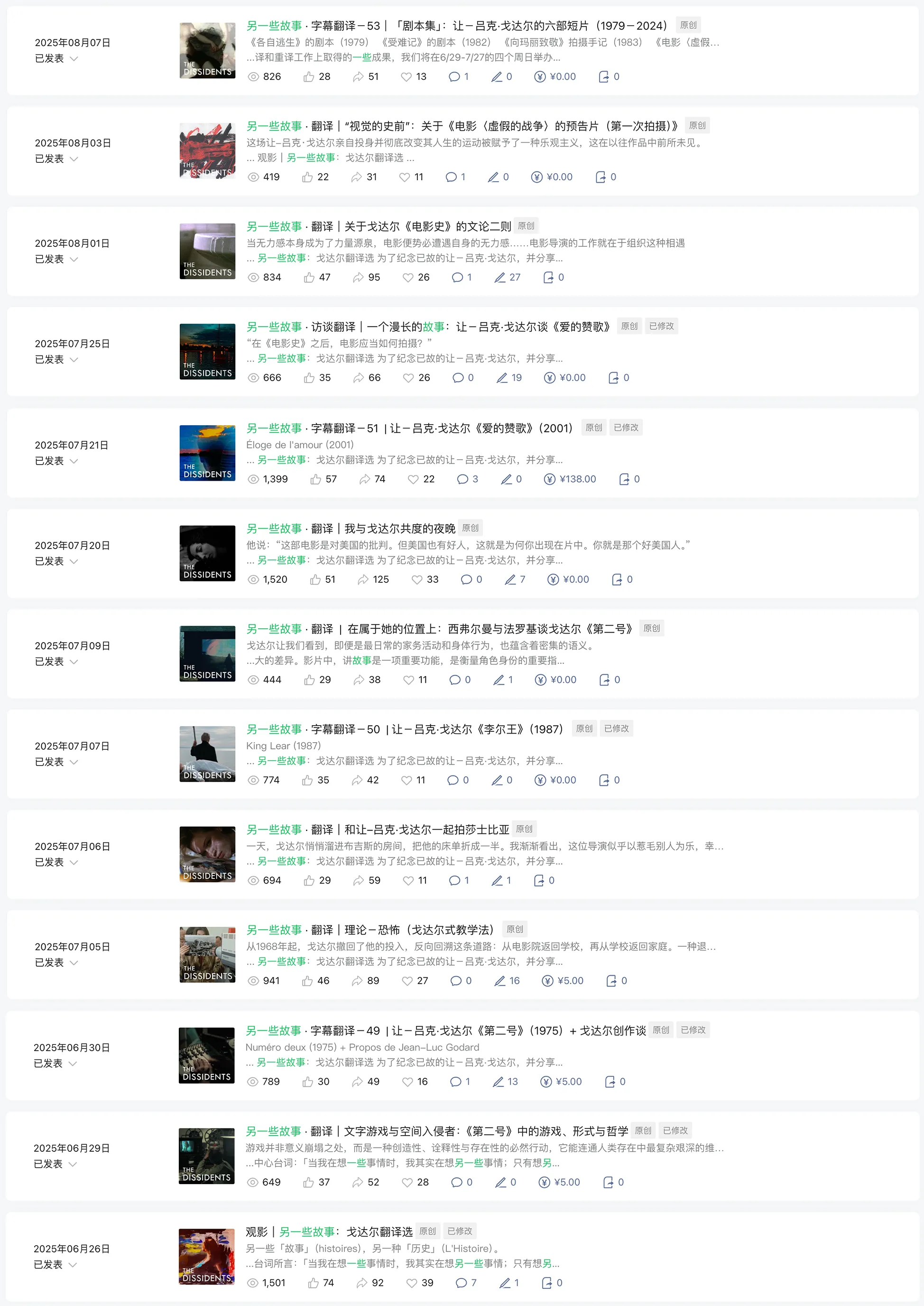
Online screenings continued throughout the second half of the year. Each series focused on a director or actor and was held weekly over roughly a month. From the Godard program in late June, to the Gena Rowlands memorial in August, the Lubitsch retrospective in September, the Hong Sang-soo selection concluding in November, and the Christmas Special in late December, we organized 18 online screenings and 18 Q&A sessions over six months.
Watching films weekly and hosting post-screening discussions is no small undertaking. Shi Xinyu and TWY were primarily responsible for programming, planning, and hosting the Q&As, bringing with them extensive teaching and festival experience, as well as contributing to poster design. desi oversaw the output related to the viewing sections, including reviews, layout, and translation coordination. Specific translation tasks were shared among other members of the editorial and translation teams. For several Q&A sessions, Shi Xinyu, TWY, and desi prepared detailed slides for close analysis. Many audience members also actively shared their thoughts and responses.
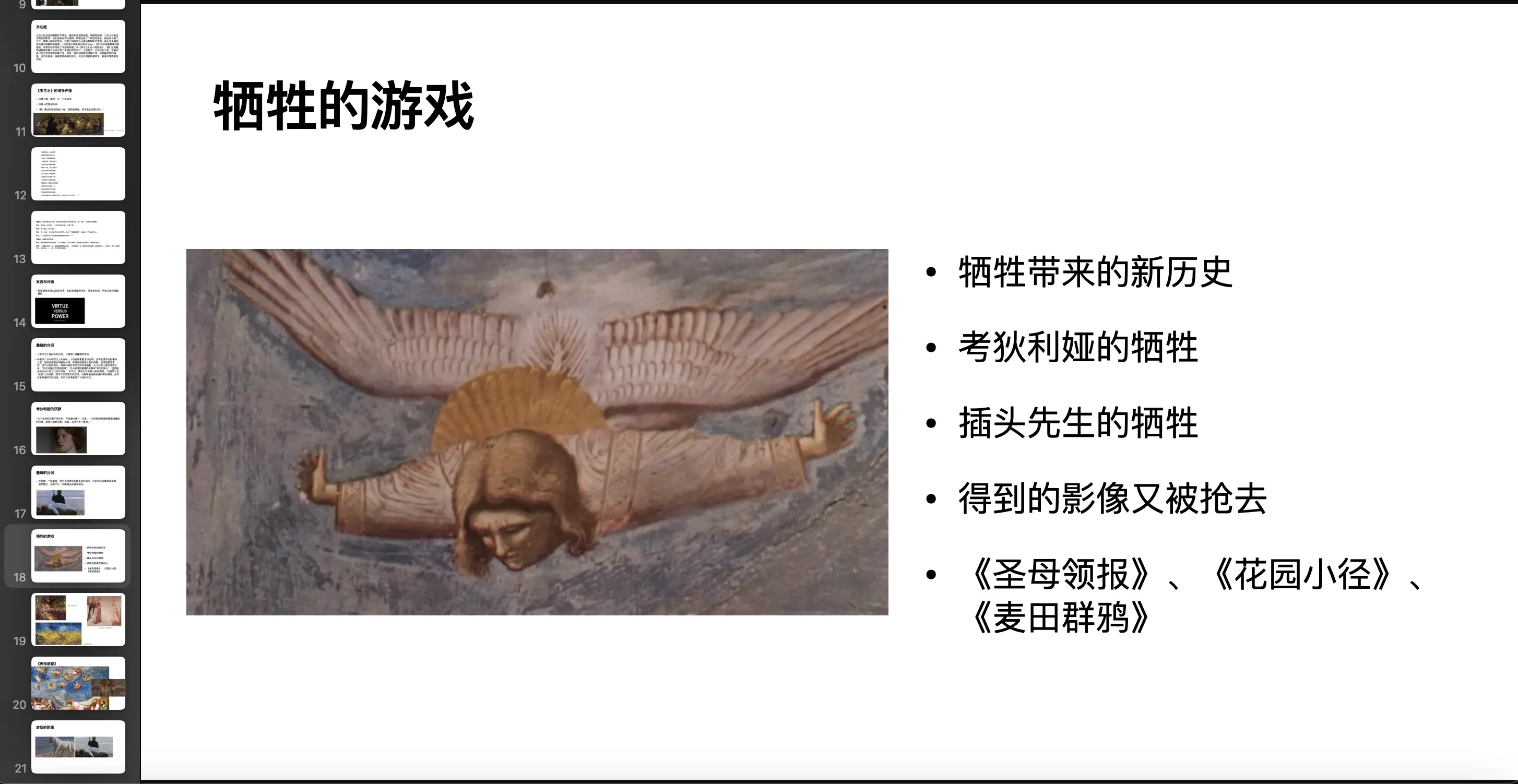
In fact, watching films together online has long been part of our everyday practice. Since the summer of 2024, more than one hundred films have been watched jointly by two or more members. These included multi-day marathons of Twin Peaks: The Return and Out 1, as well as revisits to works that inspired us or held particular significance for individual members, such as Route One/USA, When Marnie Was There, Stop Making Sense, Toni Erdmann, Liz and the Blue Bird, Bringing Up Baby, and many others. Bringing these films back into our shared field of vision sparked fresh discussions. Given the nature of communal viewing, we often gravitated toward entertaining films we wanted to share with friends. In doing so, we discovered D.E.B.S., Dance, Girl, Dance, Desperatingly Seeking Susan, The Crime of Monsieur Lange, The Little Shop of Horrors, Shocker—films rarely discussed, yet undeniably delightful to watch.
2
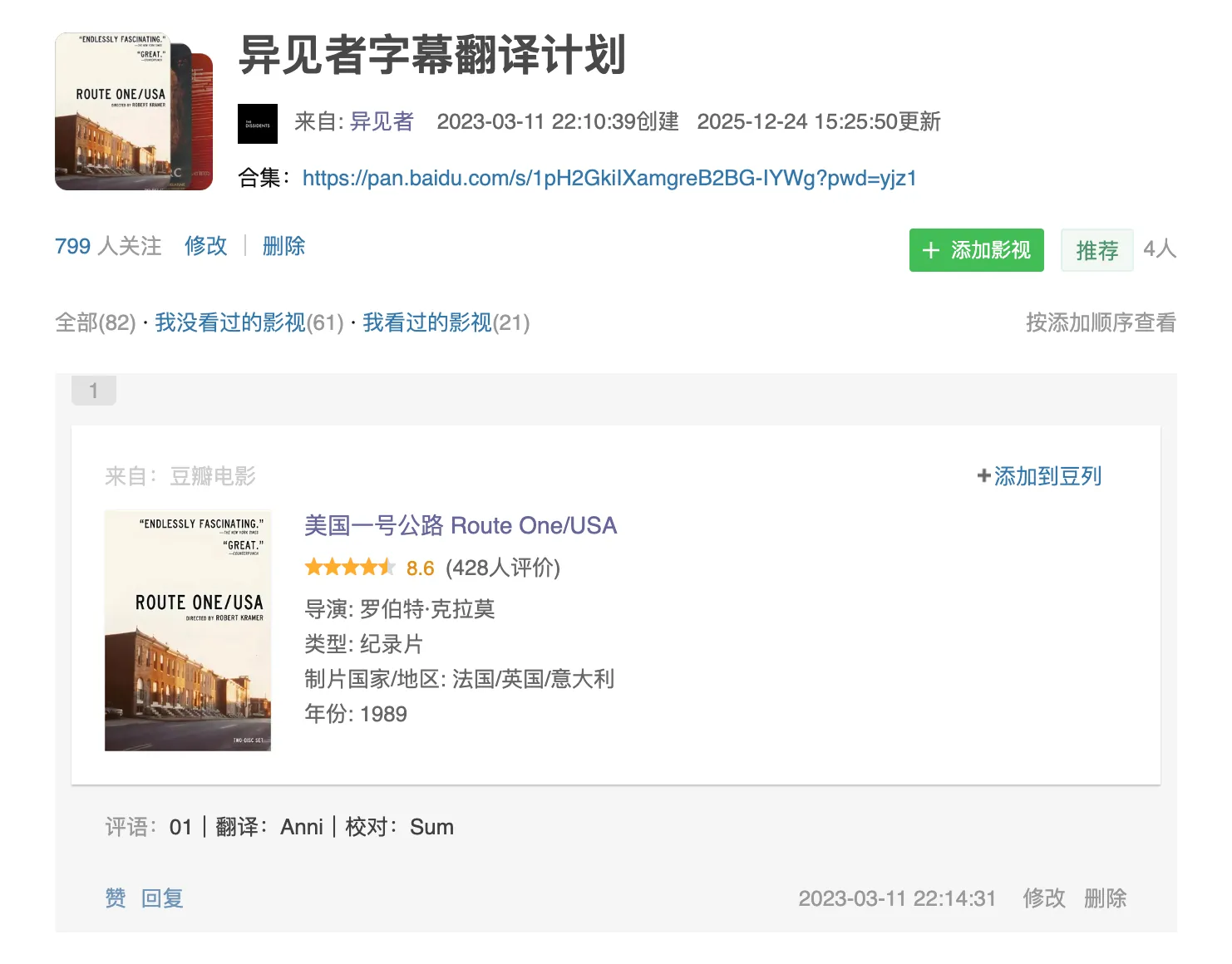
On January 16, 2023—exactly three years before this article—The Dissidents published its very first post. It was also Issue #1 of the “Dissidents Subtitle Translation Project”: Route One/USA (1989), a masterpiece of great importance to many of us. By the end of 2025, the project had reached Issue #73, with roughly 30 additional films currently in the translation or proofreading stage. The Translation Department is now recruiting and includes more than 70 translators working across English, French, Japanese, German, and other languages.
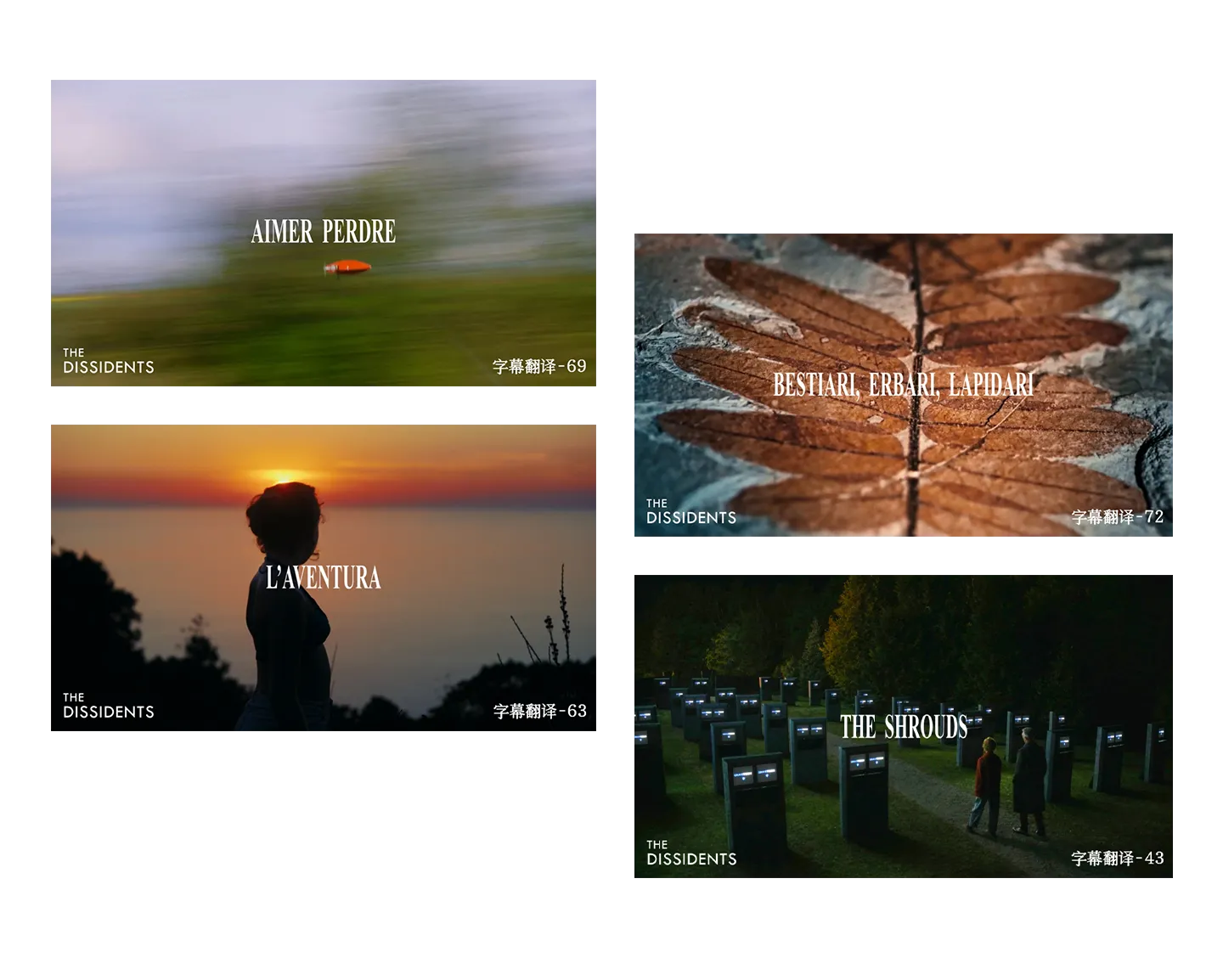
Thanks to these translators, this year was the most productive in the project’s history. We continued to follow the strategy established over the previous two years. First, we focused on works by filmmakers neglected by the mainstream but regarded by us as essential: Kramer, late-period Godard, Lynch’s lesser-known shorts, Huillet–Straub, and the recently rediscovered Michael Roemer. For these films, we translate not only subtitles but also related texts, such as interviews and statements. Second, we subtitled niche art films from international festivals that had recently circulated online—works typically ignored in the “speed-subbing” race dominated by larger groups, and therefore well suited to our longer production cycle. Many of these films received unanimous praise from our editorial board; four of our Top 10 films this year were subtitled by us: L’Aventura (2025), Bestiari, erbari, lapidari (2024), The Shrouds (2024), and Aimer perdre (2024). Third, we undertook re-translations of films saddled with poor existing subtitles. One of our proudest accomplishments this year was re-translating four major works by John Cassavetes—Faces, A Woman Under the Influence, Opening Night, and Love Streams. It is remarkable that, prior to our releases, no reliable Chinese subtitles for these classics existed online. Finally, continuing our commitment to supporting women filmmakers, we recovered and translated overlooked works by Susan Sontag, Rose Troche, Susan Seidelman, Juliet Berto, Mary Bronstein, Françoise Prenant, and Laura Mulvey.
Subtitle production has always accounted for the majority of our external expenses. Within the Simplified Chinese cinephile ecosystem, volunteer subtitle translation occupies a legally ambiguous space and exists economically somewhere between micro-profit and outright charity. Most translators work without pay, although cloud storage traffic and viewer tips sometimes generate modest income. Given the non-mainstream nature of the films we translate, this income is negligible. We do provide translators with a fixed subsidy, but it remains minimal relative to the labor and expertise involved. Beginning last year, however, the Translation Department expanded beyond non-profit sharing and began collaborating with mainland Chinese film festivals—including BJIFF, Wuhan Bailin Film Week, and the Hainan International Film Festival—on subtitle services. These collaborations ensure fair remuneration for translators and strengthen our operational funds. This has been made possible through the efforts of Rosemary and Shi Xinyu in managing external relations, as well as desi, Sharon, and emf in overseeing internal operations. It also rests on the reputation built through the contributions of every translator.
As we gain greater external recognition, we are increasingly able to perceive our own contours as a collective, which in turn allows us to organize more proactively from within. Interviews, curation, online screenings, invitations, and collaborations—these outward extensions continually prompt us to reconsider what The Dissidents might become.
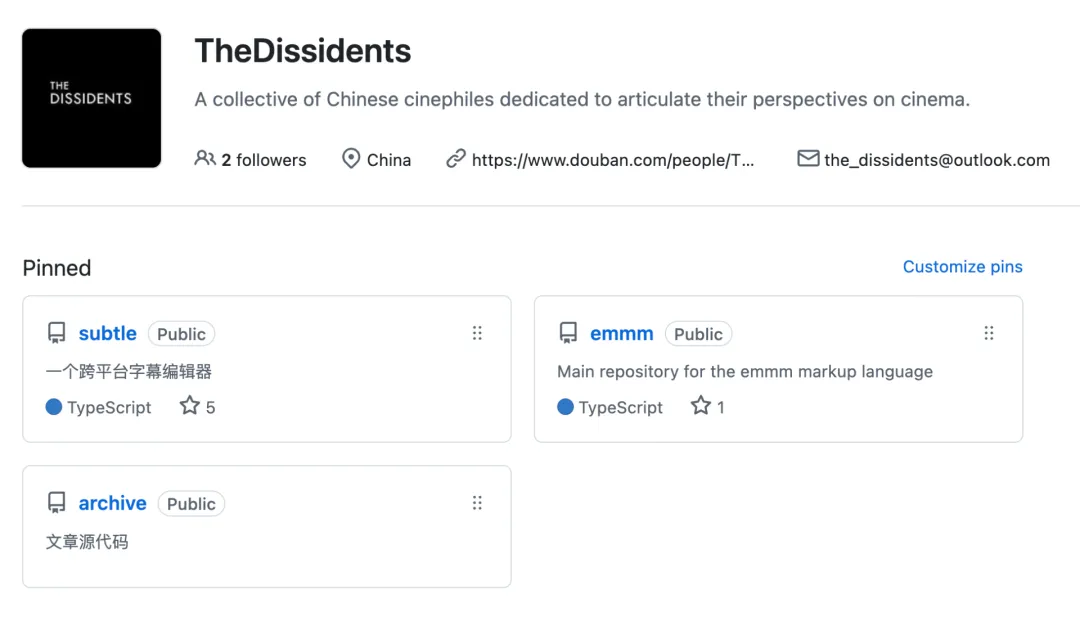
In October, we launched recruitment for a Technology Department. In reality, this department has so far been a one-person operation run by emf. His first project, the cross-platform subtitle tool subtle, emerged directly from practical problems encountered in translation work.
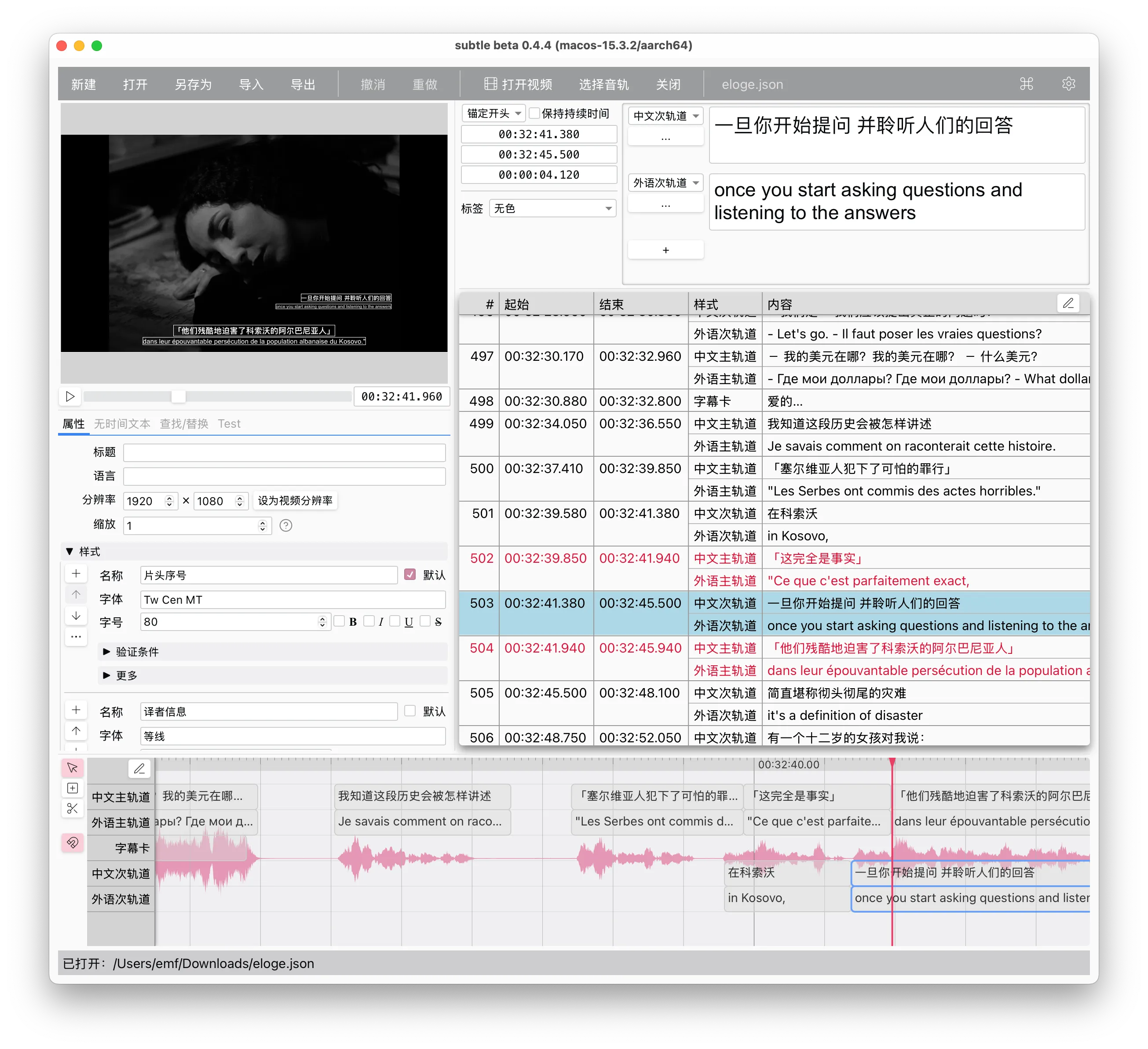
For translation and proofreading, the combination of list view and timeline view (as in Subtitle Edit) is extremely convenient. However, Subtitle Edit is Windows-only and lacks channel separation in its timeline view, while other software has its own shortcomings. ArcTime emphasizes the timeline but is weak in list-based editing; Aegisub, meanwhile, is cluttered with obscure and intimidating controls. Responding to the Translation Department’s multilingual and multi-track needs, emf developed subtle, which integrates list and timeline views while supporting split channels and multi-channel combinations. The significance of this becomes clear in films like Éloge de l’amour, which includes primary subtitles, secondary subtitles, intertitles, and annotations, each on different timelines that sometimes overlap. subtle displays these tracks clearly in the timeline while allowing efficient text editing in a table view. It also supports font subsetting, one-click dictionary lookups, and fuzzy-match proofreading.
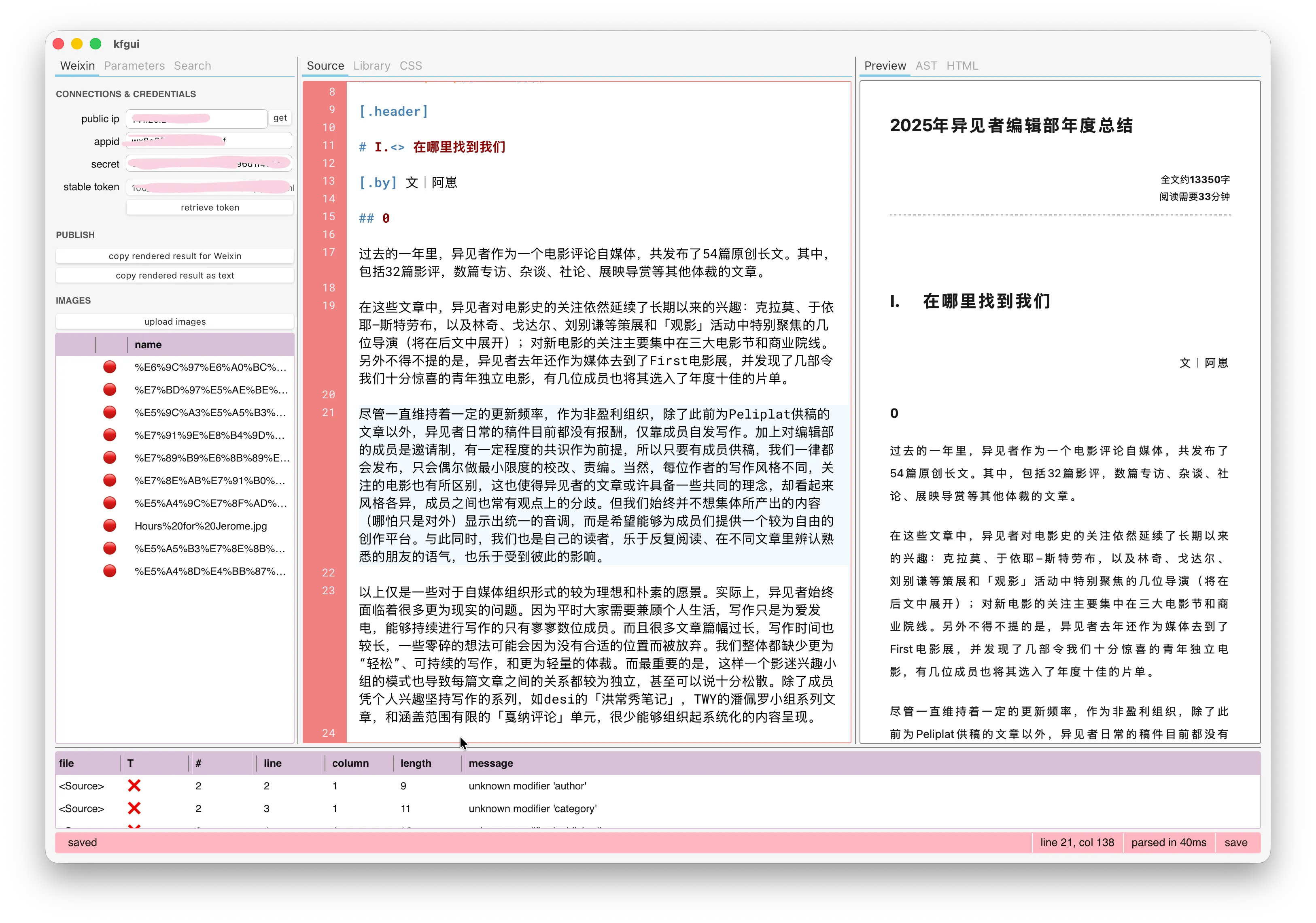
Another project focused on optimizing our publishing workflow. During the Lynch screenings, content often needed to be formatted and published daily under tight deadlines. At the time, only desi and I were responsible for graphics and layout. Our commitment to a unified visual style made layout a meticulous and exhausting process, involving tasks such as adjusting colors and sizes for commentaries, or manually kerning foreign language words for WeChat. emf had already begun developing emmm, a publishing tool based on a custom, extensible markup language capable of adapting content for websites, WeChat, and other platforms. After the Lynch project, the need for automation became acute. In June, we published our first piece using emmm, and have continued refining it ever since. Beyond reducing workload, emmm makes complex layouts—such as those required for the “Monthly Review”—feasible.
How we understand our content shapes how we choose to present it. After collective writing projects like the Lynch series, we became acutely aware of the limitations of WeChat Official Accounts: the vertical screen, linear timelines, single-layer hierarchies, and poor systems for archiving and categorization. Navigation via “Collections” is limited, and Douban’s “Selects” feature is similarly constrained. Combined with issues of censorship, these platforms are ill-suited to the rich presentation and long-term archiving we envision.
In the “December Review: The Spider’s Dream,” TWY listed several e-zines and review websites. The “mise-en-scène” of writing and editing described there represents our ideal state. We want to organize our content systematically. Compared to the high costs of print publishing, the visual space of a widescreen webpage and the convenience of search functionality offer a viable alternative. Our interests in DIY practices, in archiving—finding a proper place for everything—and in experimentation all converge here.
Accordingly, we take this opportunity to officially announce The Dissidents’ website: https://www.thedissidents.net. Designed by TWY and Azai, and built by emf beginning early this year, the site is now taking shape. We will gradually migrate existing articles, develop an English-language homepage, and archive all aspects of The Dissidents’ work.
3
As a non-profit collective, sustaining ongoing operations and output is fraught with challenges. As noted above, the demands of fundraising and content expansion have pushed us from a loose chat group toward a more organized structure, turning some hobbies into binding responsibilities.
On the one hand, we must preserve a certain looseness, for it is precisely this looseness that drives us. On the other hand, this model also exposes its own problems. Collecting materials for the “Monthly Review,” for example, consumes enormous energy, and keeping every member perfectly in sync is simply unrealistic. Screening-related work often falls on a small number of people, and long-term writing projects frequently dissipate before reaching completion. There is far more we want to do than we are able to accomplish.
I am often reminded of how Out 1 structures itself as a film, which serves as a fitting metaphor for collective operation. If we imagine the group as a kind of role-playing game, the premise is that we accept being participants in the same situational play. Over time, everyone inevitably encounters limits: the frictions between individuals, the distinct contours of each person, and the reshaping that occurs through contact. It also involves the fact that each person sees only a fragment of the whole, filling in what remains invisible through incommunicable acts of imagination.
In truth, from the very beginning, the possibility of parting has hovered quietly over the stage like a prophecy. At first, no one looked up to notice it; later, no one could ignore it. In those moments when continuation seems impossible, do the actors imagine another life? For now, time remains suspended here, as people repeat the gestures of caring for—or enslaving—one another. Time continues to pass; the moment of separation is merely deferred.
Gradually, I have come to feel that what binds us together is not only a shared conception of cinema, nor even friendship alone, but a common belief in the desire to accomplish things collectively. And after each task is completed, amid the exhaustion, when someone excitedly proposes a new idea, there are always voices that respond, regardless of the circumstances.
Following those voices, we are only just beginning to glimpse a plural conception of practice, and to sense the possibilities that emerge precisely because there is more than one person involved.
II. The Dance Goes On: Film Screenings in 2025
by Rosemary
Arthouse film screenings in China can be roughly divided into two categories. On the one hand are institutional mainstays: the China Film Archive’s ongoing rotation of “classics,” and the wide-ranging international programs organized across multiple cities by the Nationwide Alliance of Arthouse Cinemas (NAAC). On the other hand are independent local initiatives, such as the daily and themed programs curated by, among others, Broadway Cinematheque and the Shanghai Art Film Federation (SAFF).
For many years, these screenings have sustained strong attendance, demonstrating a clear and tangible demand. Audiences continue to stream into theaters, approaching canonical art films as a form of study or cultivated leisure. At the same time, however, the overall activity of local curatorial groups has noticeably declined. We hope that the coming year will bring a revival of more diverse and adventurous curatorial practices.
.BL3ij1GB_Z1IIov.webp)
Looking back over the past year, January in Nanjing marked an important moment when the TGD Group introduced mainland audiences, for the first time, to the work of a crucial contemporary filmmaking duo: Elisabeth Perceval and Nicolas Klotz. The program included their two most recent films, Cosmocide (2023) and Nouveau Monde! (2024). The latter was screened on the mainland in 2025 following its Asian premiere at the 48th Hong Kong International Film Festival in 2024. The TGD lineup also featured works by Pierre Léon and Yohei Yamakado, effectively broadening the range of contemporary avant-garde auteurs accessible to mainland curators.
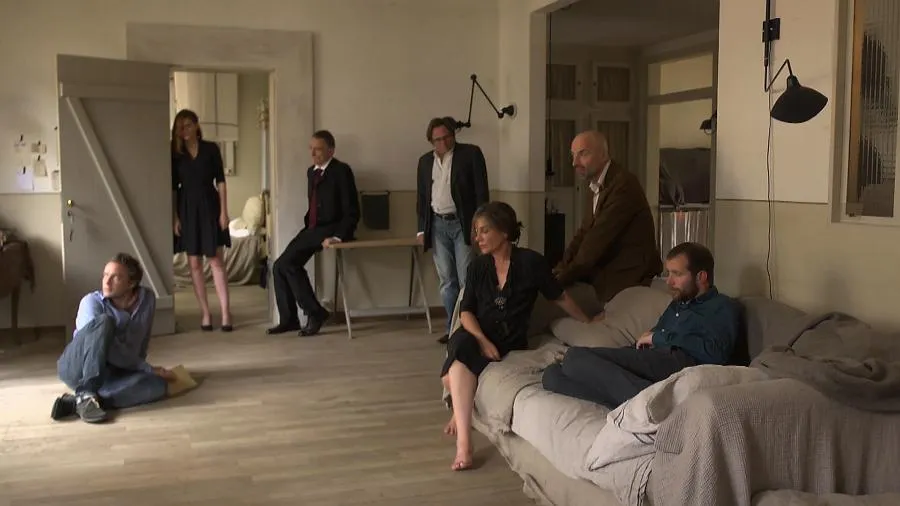
February brings us to “Infinite Poetry: Encounters with Portuguese Cinema,” an independent showcase that I co-curated. This program systematically introduced mainland audiences to a national cinema that has become increasingly significant on the international stage while remaining marginal at home. The series presented four films co-directed by Margarida Cordeiro and António Reis, all Asian premieres, alongside works by Portuguese filmmakers shaped by their influence. Notably, Portuguese master Pedro Costa’s In Vanda’s Room (2000) and Colossal Youth (2006) received their first mainland screenings. In addition, the work of Rita Azevedo Gomes, a director whose international reputation is steadily growing, was introduced to Chinese audiences for the first time, allowing a filmmaker attentive to posture and tone to finally find her voice on our screens.
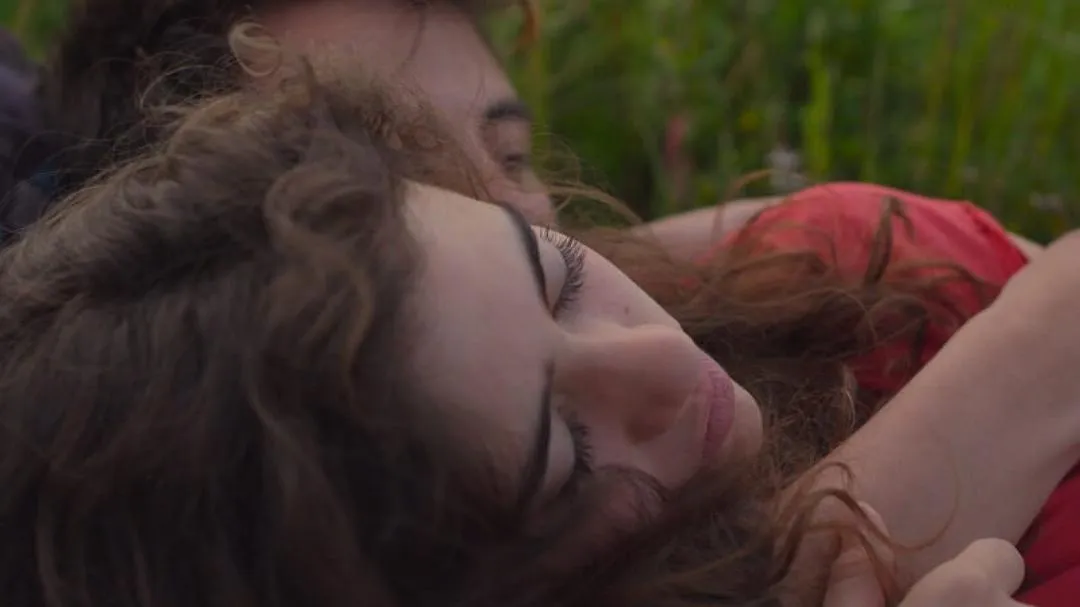
Later in the year, August brought a welcome surprise from the independent group DUFANG, which presented the mainland premieres of two films by Jonás Trueba, a filmmaker highly praised by Cahiers du Cinéma: The August Virgin (2019) and Who’s Stopping Us (2021). Trueba’s most recent film, The Other Way Around (2024), had already been acquired earlier in the year by Hugoeast and reached audiences through more mainstream distribution channels.
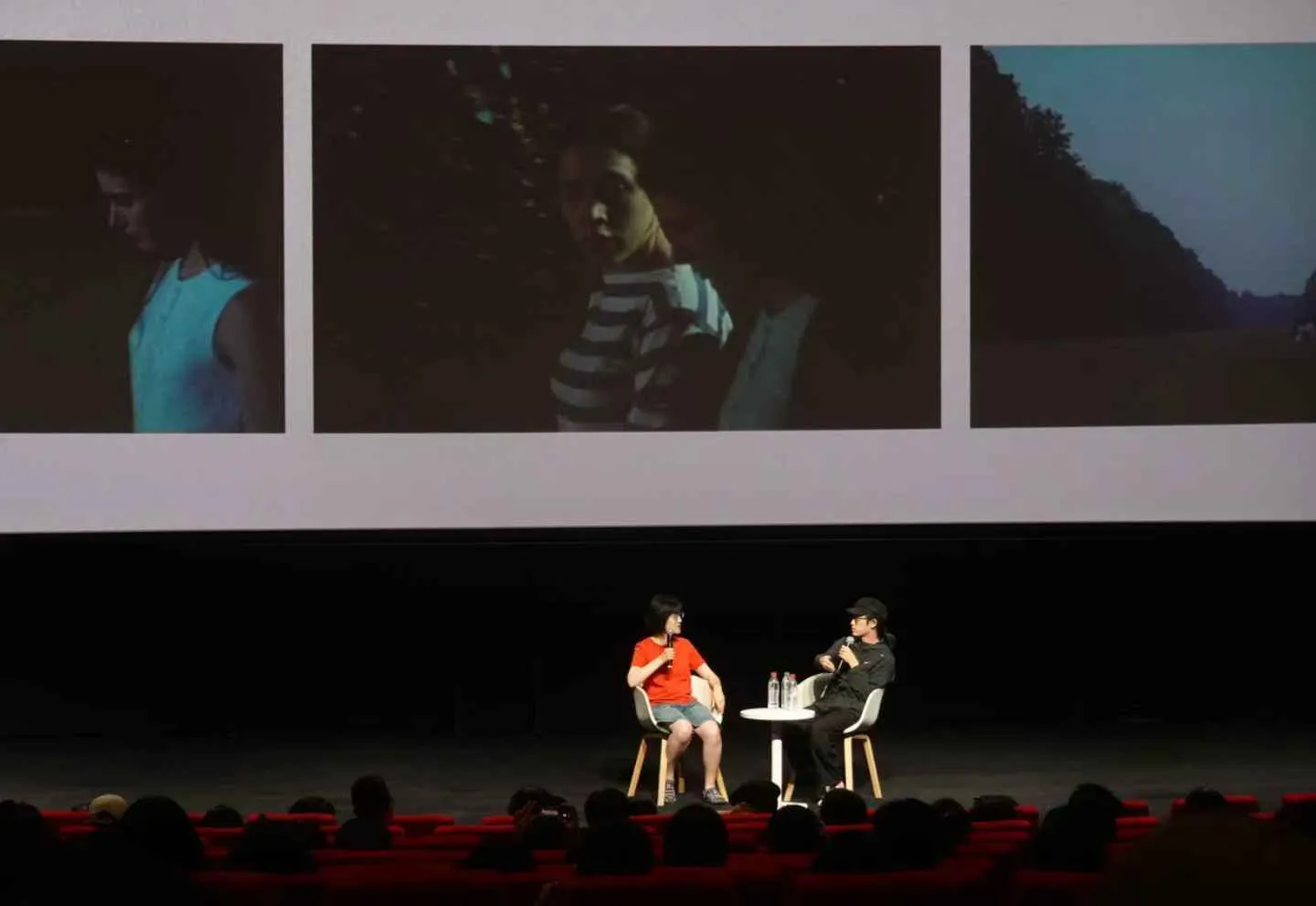
Turning to Shanghai, June 6, the birthday of the much-loved Chantal Akerman, was marked by SAFF with a screening of Portrait of a Young Girl at the End of the 60s in Brussels (1994). The curator known as “101” (Xu Yuan) invited Shi Xinyu and TWY, members of the group “Dissident,” to lead the post-screening discussion. Rather than remaining on stage, the two moved into the audience to engage in direct conversation, a gesture that 101 later described as one of the event’s most memorable moments. In August, 101 continued his recent curatorial direction by introducing Shanghai audiences to Pampero Cine, a vital contemporary filmmaking collective, through an Argentine Film Festival. The program included Balnearios (2002), Corsini Sings to Blomberg and Maciel (2021), Trenque Lauquen (2022), and The Little Match Girl (2017). Taking advantage of Alejo Moguillansky’s trip to Venice for the premiere of his new film Pin de fartie (2025), the Dissident team conducted an interview with him to serve as a pre-screening guide, and Shi Xinyu and TWY were again invited to moderate the post-screening discussion.
For films that are culturally distant or formally challenging, thoughtful pre-screening guides and post-screening conversations are undoubtedly essential elements of curatorial practice. For both audiences and speakers, these encounters function as unfamiliar journeys that deepen not only one’s understanding of cinema, but also one’s understanding of oneself.
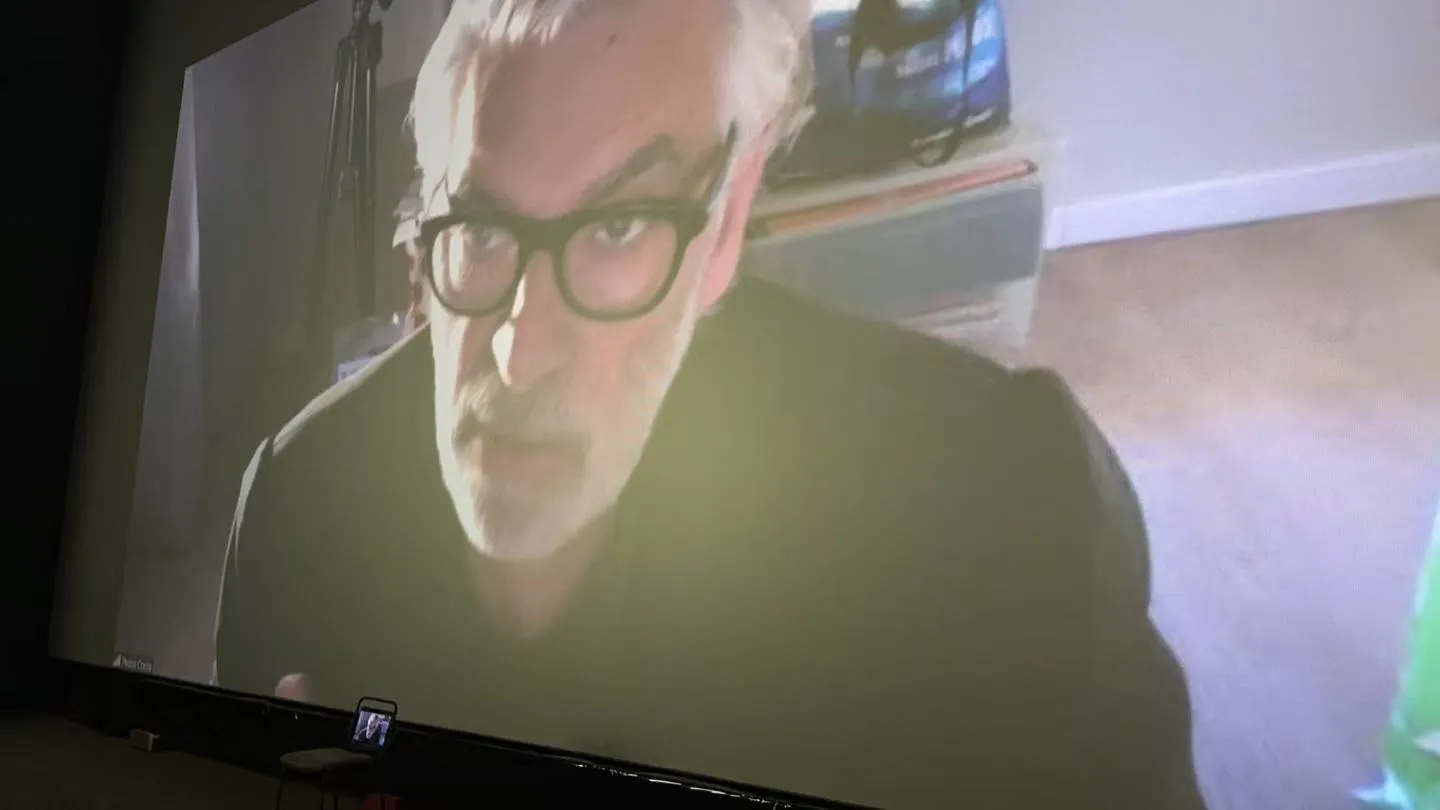
During “Infinite Poetry,” Pedro Costa engaged in extended dialogue with audiences, reflecting on the influence of Cordeiro–Reis and Huillet–Straub on his own work. For the Cordeiro–Reis premieres, we invited Raquel Morais, editor of In the Midst of the End of the World: António Reis and Margarida Cordeiro, to speak about images crystallized within and beyond the space-time of Trás-os-Montes. Curator and scholar Ricardo Motos Cabo recorded a video guide for Paulo Rocha’s landmark The Green Years (1963) and his singular later work Island of Loves (1982).
Owing to space constraints and my own limited familiarity with experimental film, I cannot list every admirable program from the past year, such as the Shanghai Film Museum’s “Multiple Exposures of a Muse: 35th Anniversary of Delphine Seyrig’s Death,” or the two programs curated by the Outtakes group. Still, 2025 has undeniably left us with a sense of regret. We sincerely hope that, through new curatorial experiments in 2026, we can draw a little closer to all of you.
III. Some Film Restorations
by TWY & Shi Xinyu
Special thanks to: Rosine
Over the past year, art-house screenings in China have remained closely linked to the restoration of significant films. The bold choices made by certain curators allowed audiences to recover a sense of imagination about film history. Perhaps history has already begun to change its shape before we have even learned how to accept it.
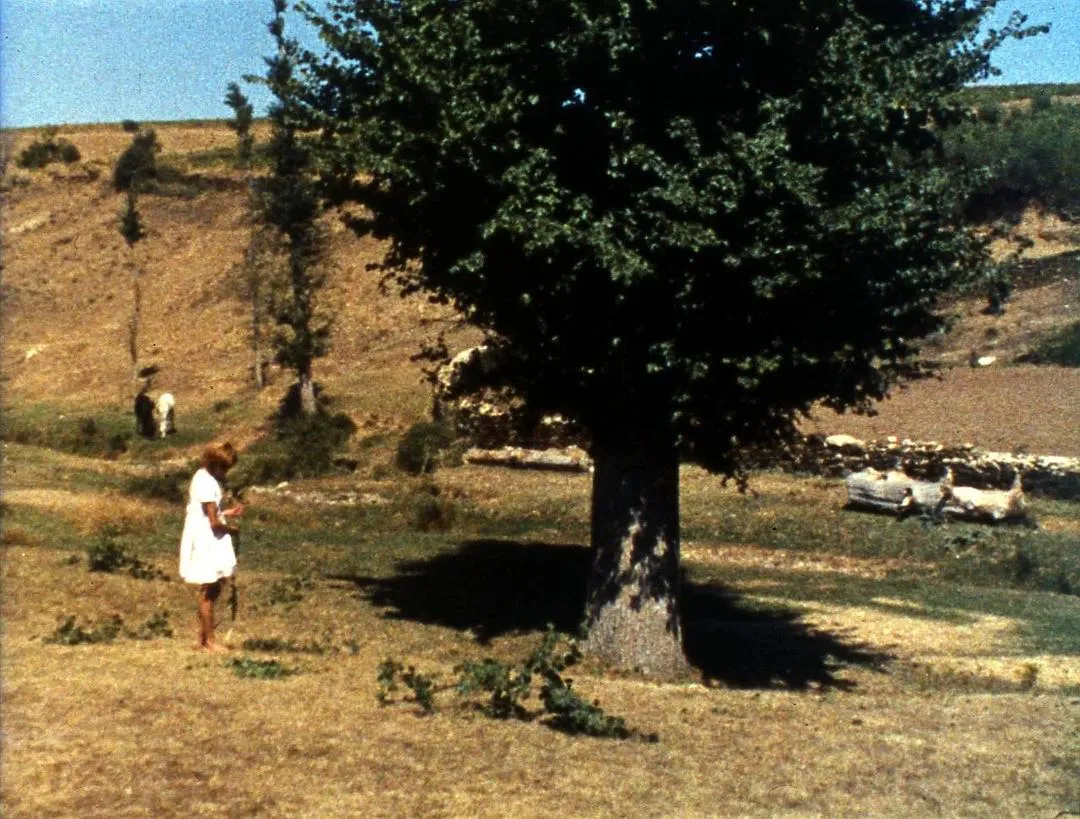
At both the beginning and the end of the year, Portuguese film festivals in Wuhan and Shanghai selected newly restored versions of films by António Reis and Margarida Cordeiro, including Trás-os-Montes (1976), Ana (1982), and Rosa de Areia (1989). For many years, these works existed only in degraded videotape copies. Now their true forms have finally emerged: the rivers, vegetation, and daily life of the Trás-os-Montes region glow with strange, vivid colors.
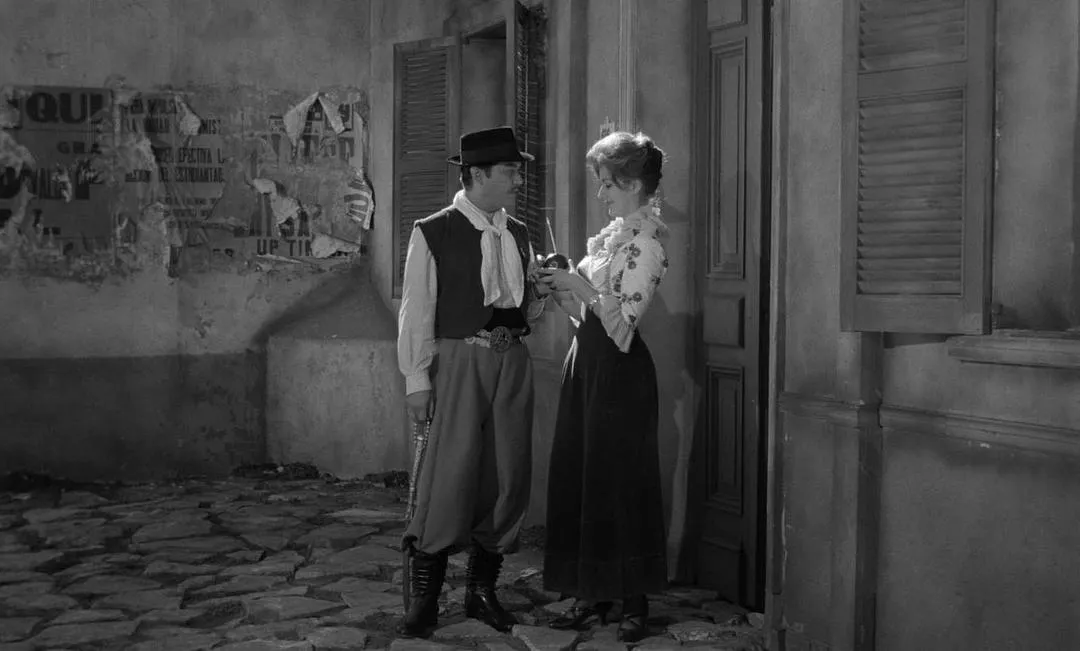
At the Belgian Film Festival hosted by SAFF, audiences were able to see Chantal Akerman’s masterpiece Portrait of a Young Girl at the End of the 60s in Brussels (1994), a film long difficult to screen because of music rights issues. Scanned in 2K by the Royal Belgian Film Archive, the film remains a modest theater of everyday life, yet the characters’ gestures and the textures of day and night now register with heightened intensity. SAFF also presented a restoration of René Múgica’s El hombre de la esquina rosada (1962) as part of its Argentine Masters program. Adapted from a Borges story, this key work in Argentine film history had long been overlooked. It is also worth noting that in October, SAFF organized an extensive French cinema showcase devoted to restoration, accompanied by a series of educational lectures.

The Wuhan Bailin Film Week in November and the Hainan International Film Festival in December both screened Robina Rose’s Nightshift, a punk-inflected work glowing through the night that was quickly recognized as one of the year’s most important rediscoveries. Rescued from storage by the London Filmmakers’ Co-op, the film re-emerged with a restoration premiere at the New York Film Festival in the fall of 2024. Sadly, Rose, who was previously little-known, passed away in early 2025.
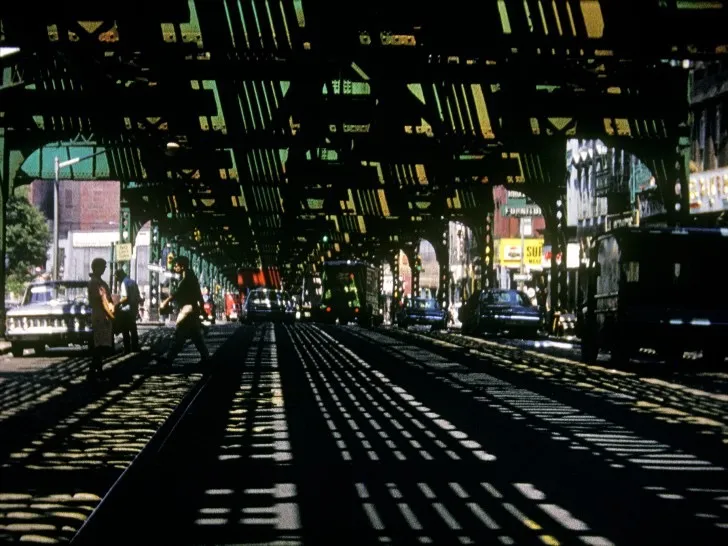
In the field of experimental cinema, 2025 also saw the first online circulation, albeit through illicit channels, of previously undigitized works by major avant-garde figures such as Gregory Markopoulos, Nathaniel Dorsky, and Jerome Hiler, though the source quality left much to be desired. More significant were the three 16mm film festivals organized in Beijing by the experimental film group Outtakes, which provided rare opportunities to see works not yet digitized. Early in the year, Outtakes presented a retrospective of Dorsky and Hiler at UCCA, including films restored since 2020 by the Harvard Film Archive. Mid-year brought “Invisible Spectrum: Media Imagination in Experimental Cinema,” featuring newly restored works by LeAnn Bartok, Sharon Couzin, and Shellie Fleming, many restored by Mark Toscano of the Academy Film Archive. The year concluded with “Love in Time: A Re-exploration of 1970s Experimental Cinema,” showcasing rarely screened works by Isao Kota and Jon Voorhees, as well as James Benning’s undigitized short 8 1/2 X 11.
Meanwhile, the restoration of Robert Kramer’s complete body of work, led by the French distributor Re:Voir, continued in 2025 with the release of a new batch of Blu-rays, including Walk the Walk (1996), À toute allure (1982), and Doc’s Kingdom (1988). Several rare experimental films from the 1970s by Philippe Garrel and Nico were also restored, such as Le Berceau de cristal (1976), Un ange passe (1975), and a version of Le Bleu des origines (1979) re-edited by Garrel himself.
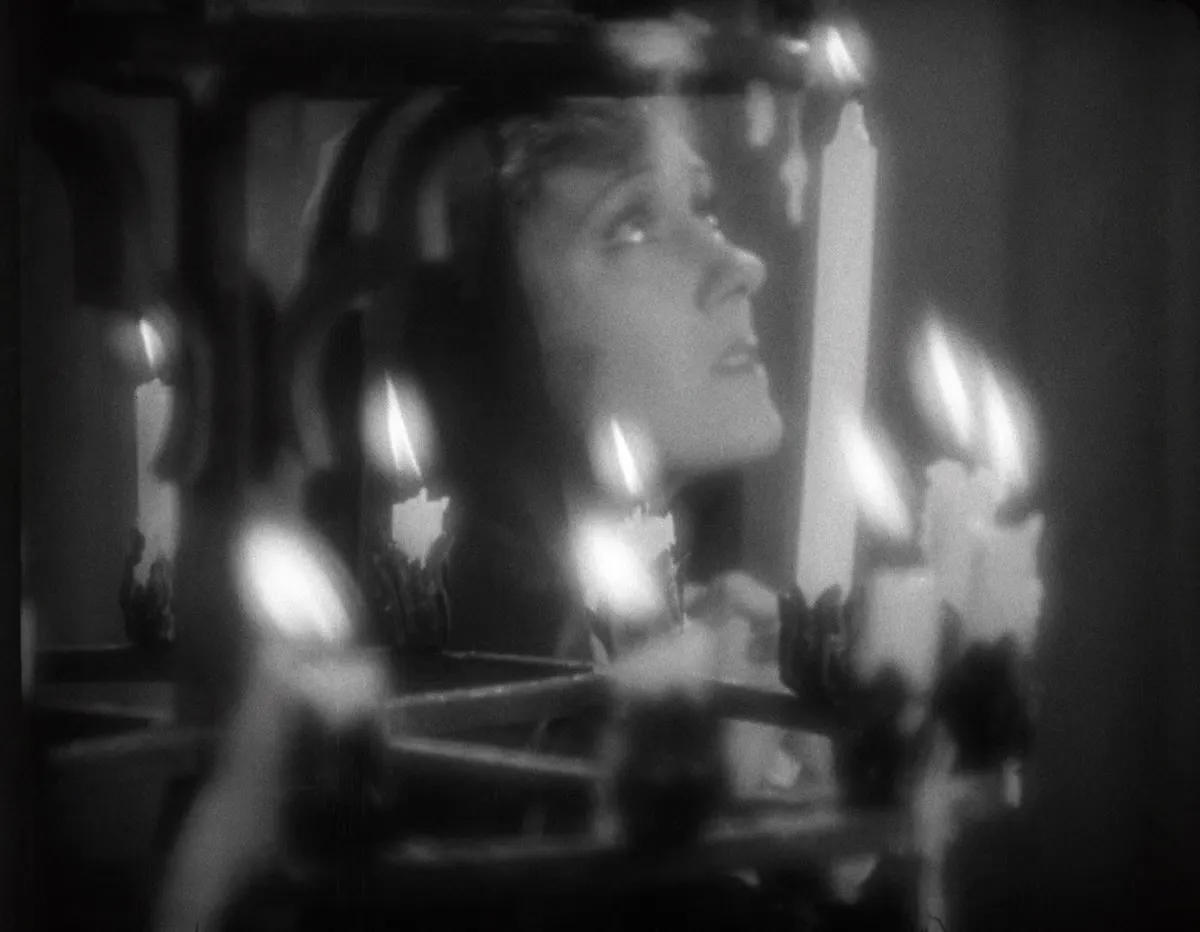
In December, one of the year’s most high-profile Hollywood silent restorations, Erich von Stroheim’s Queen Kelly (1929), appeared in the China Film Archive’s program, marking Gloria Swanson’s silent-film debut on the mainland. Fresh from its premiere at the Venice Film Festival in September, the restoration arrived quickly, accompanied by presentations from technicians involved in the project. Because parts of Stroheim’s original footage have always been missing, the restoration uses still photographs and the original script to bridge narrative gaps. Also in the realm of silent cinema, the Beijing International Film Festival in April screened Mauritz Stiller’s The Saga of Gösta Berling (1924), the great melodrama that established Greta Garbo’s early screen image.
Mid-year, restored versions of the complete works of Luc Moullet, the last surviving member of the French New Wave and a former Cahiers du cinéma critic, were screened in New York and London. These screenings continue to assemble a more complete picture of the New Wave, a movement that remains persistently misunderstood.
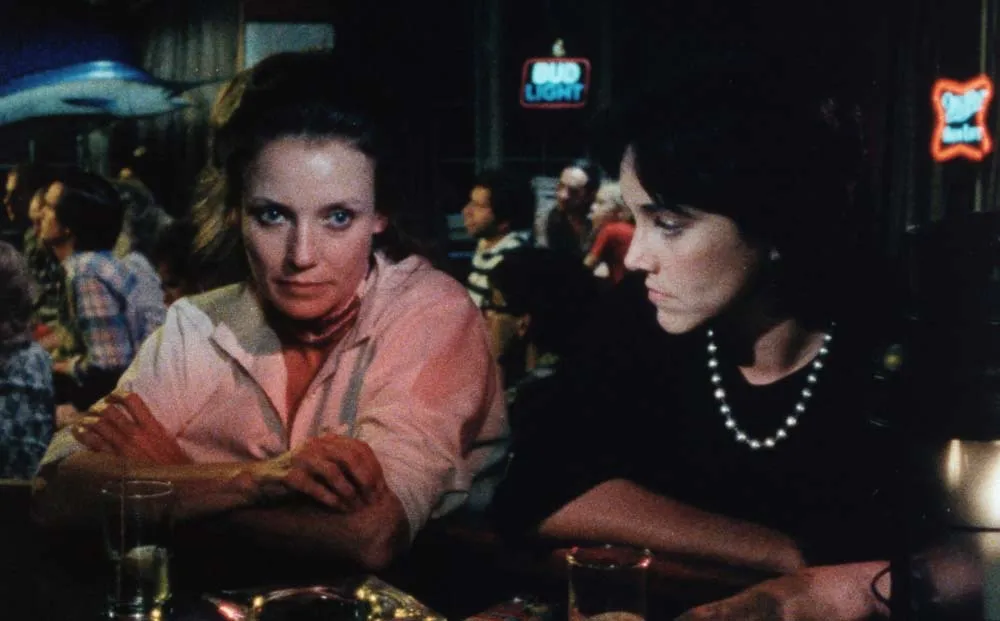
From our own perspective, the most significant discovery of the year was the long-neglected American independent filmmaker Michael Roemer, who passed away in 2025 at the age of 96. Fortunately, in his final years, several of his shelved masterpieces, including Vengeance Is Mine (1984), Pilgrim, Farewell (1980), and the documentary Dying (1976), were restored and brought back into circulation. The Dissident group has prepared Chinese subtitles for the first two. His early representative works, Nothing But a Man (1964) and The Plot Against Harry (1971), also received upgraded releases. We were further delighted to discover his early research and writing on Carl Theodor Dreyer, which we plan to translate and introduce in the near future. We believe that, in future discussions of New Hollywood, Roemer will be an inescapable name.
It is impossible to list every important restoration of the year, but we especially hope that the following works will find screening opportunities: John Ford’s final film 7 Women (1966), newly available on Blu-ray for the first time; Jean-Luc Godard’s King Lear (1987), presented in its full 1.37:1 aspect ratio on the Criterion Blu-ray; Ernst Lubitsch’s Lady Windermere’s Fan (1925), a long-awaited restoration led by MoMA; and Leos Carax’s Pola X (1999), in a re-edited version scheduled to screen in Japan.
IV. The Dragon Guarding Our Treasures
by Shi Xinyu
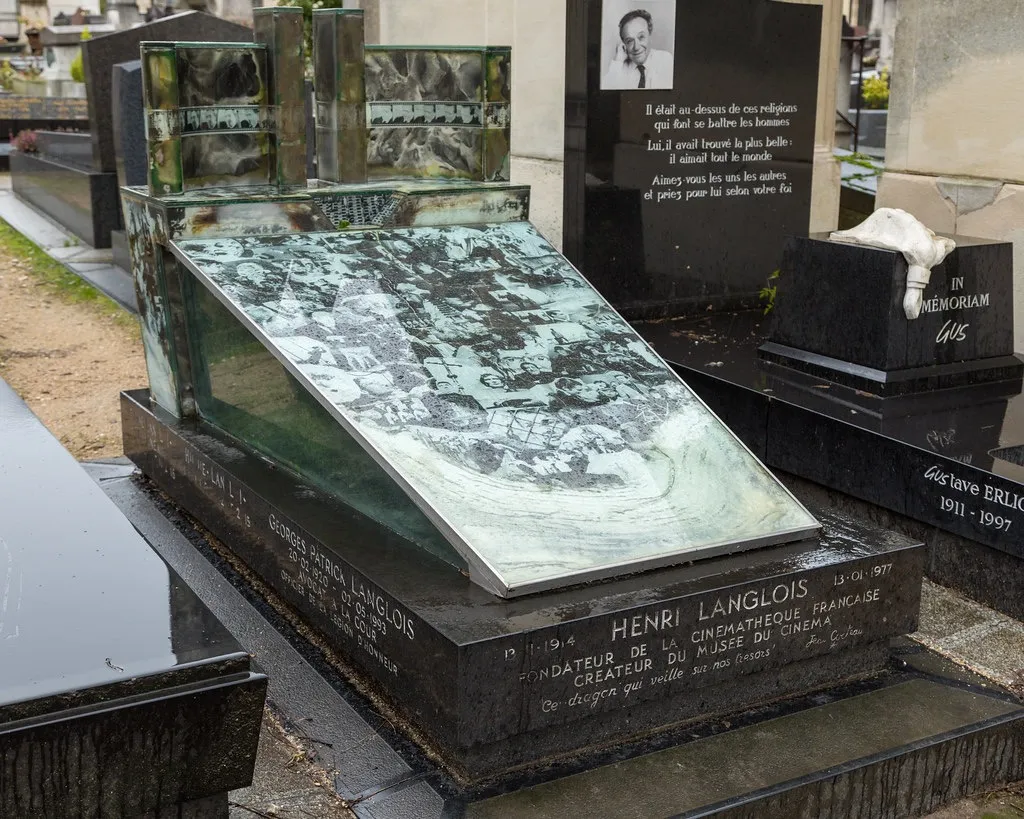
Two years ago, thanks to a friend, I saw a photograph of Henri Langlois’s tombstone. It is an amber block, filled to the brim, compressing within it fragments of the film images Langlois cherished. They are not arranged chronologically, but collaged into a web of faces, like a black-and-white starry sky. Some faces, even when wedged into narrow crevices, radiate unmistakable force. Langlois, that corpulent, voracious giant, reminds us of the archive’s inherent complexity: one can rely on spontaneous association to resist any so-called “complete” history. Beneath Langlois’s name is an inscription by Jean Cocteau: “The dragon who guards our treasures.”
Over the past two years, and especially in 2025, news of filmmakers’ deaths has reached us with relentless frequency. Beyond natural causes, many died through violence, disaster, or met perilous early ends. Alternating with even graver public events, these losses issue a warning to our present lives. Some who once trafficked in fictional death have now, in a far more intimate posture, entered its reality. Regrettably, we often come to know an auteur only through their departure. In the past year, we discovered Robina Rose and Michael Roemer, while algorithmic systems consigned countless others to oblivion. This massive erasure of memory confirms that film history itself is only a partially obscured reality.
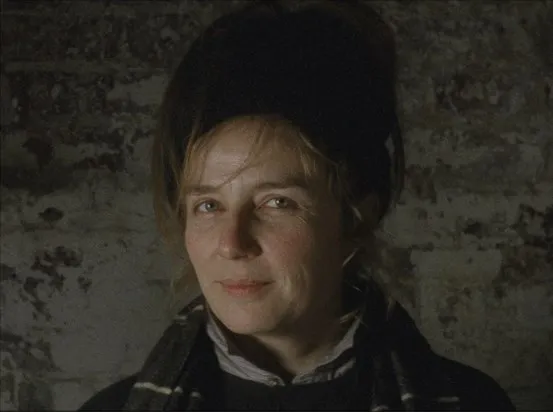
If David Lynch were to encounter the website commemorating Robina Rose 1, he would surely be moved. Rose passed away on January 26. She was not only an experimental filmmaker, but also an environmental activist and an astronomer, having served as chair of the London branch of the Campaign to Protect Rural England. The website is a small, warm, and sorrowful base. Recalling her masterpiece Nightshift (1981), one might call the site another kind of front desk. It welcomes every visitor equally, preserving the brief messages they leave and the portraits of Rose they upload. The site’s caretakers are many: friends, film students, colleagues who once protected trees alongside her, even her “boyfriend’s daughter.” They write in words saturated with color, recalling every facet of Rose’s life, remembering her kindness, and wishing her a gentle ascent.
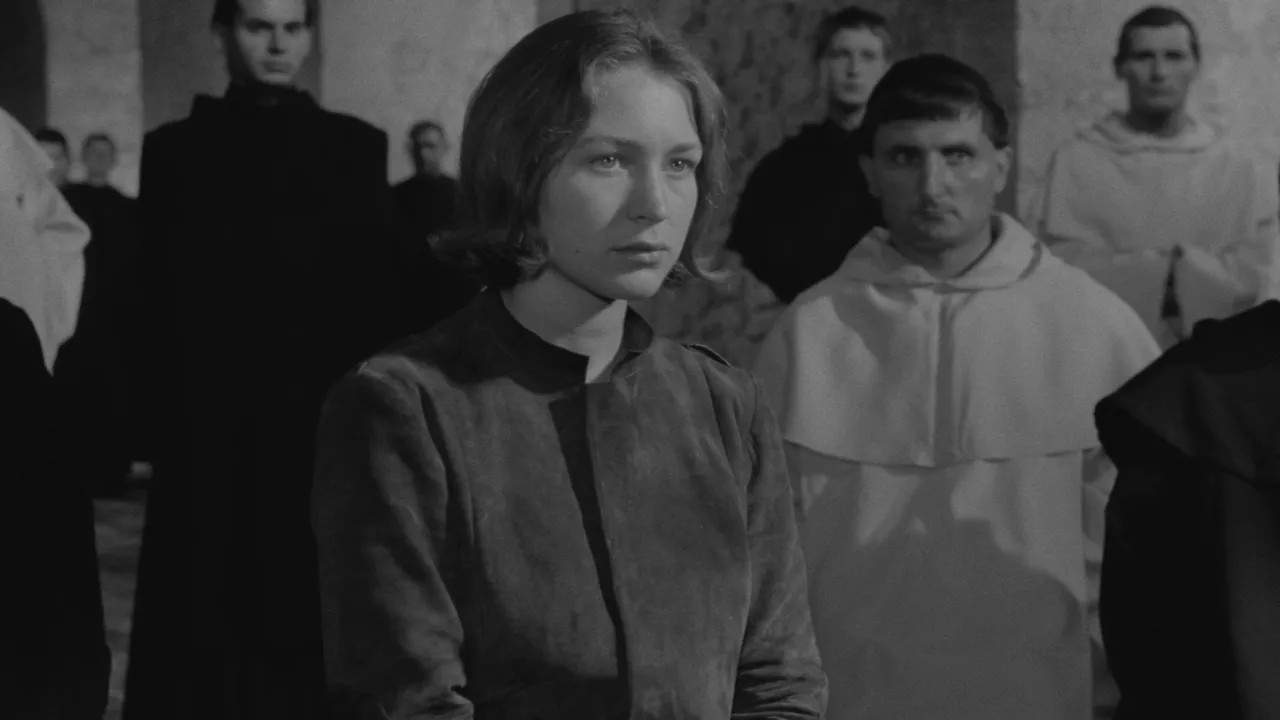
Another woman of great stature, Florence Delay, passed away on July 1. As an actress, she is best known for Bresson’s The Trial of Joan of Arc (1962), Chris Marker’s Sans Soleil (1983), and Hugo Santiago’s Écoute voir... (1978). She was also a writer, translator, and screenwriter. We know little of Delay; most of her work remains inaccessible. In cinema, she often occupied the role of “the one who handled the words”: writing behind the camera, shaping works in front of it, or becoming their recipient, suspended between tectonic plates of memory. Delay marked us through a handful of singular, perhaps absolute gestures: a pair of hands raised in oath, Joan’s men’s clothing rendered as modern costume, and her voice. That voice was unusually calm, like a white wall, stating only the most irrefutable facts, untouched by rhetoric. Through it, she spoke of true belief and the pain of confinement. In the latter half of The Trial of Joan of Arc, her voice is accompanied by an abundance of tears.
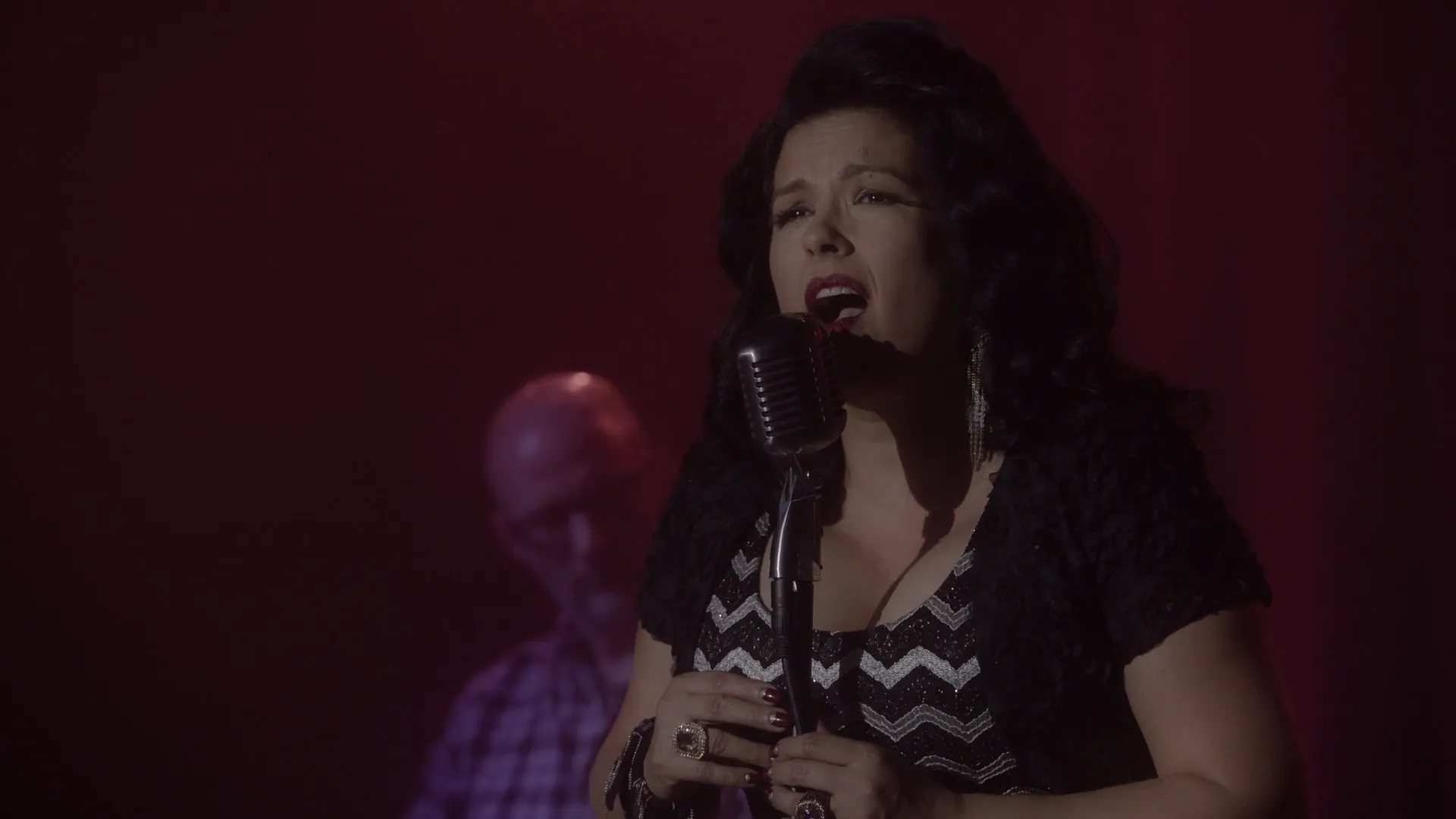
The third woman I must mention is the singer Rebekah Del Rio, who passed away on June 23. She sang for multiple films and appeared in Lynch’s Mulholland Drive (2001) and Part 10 of Twin Peaks: The Return (2017). Lynch liked to place Rebekah between two stories: Club Silencio in Mulholland Drive; and in Twin Peaks, after the faces and names of Laura Palmer flash past, when a waning moon is veiled by Rebekah’s No Stars, like a cyclical astronomical event. Sixteen years separate these two performances. The singer’s body is wrapped in a new magic carpet, yet the “pre-recorded” form and the shared intuition of the performance remain unchanged: a silent face onstage, repeatedly articulating a situation—like weeping, like an intensely bright star, or like a boundless night with no stars—gathering the consciousness of young women and catalyzing intimate tears.
An astonishing superimposition occurs: inside Club Silencio, seated among the audience are not only Betty and Rita, but also two girls who bear a striking resemblance to Laura Palmer and Ronette Pulaski. To borrow Lynch’s words, they might be Laura and Ronette’s “sisters.” Club Silencio becomes a light source in Hollywood’s dark corners, sheltering rows of confused images and forgotten people, transforming them from detectives back into spectators. In this way, Rebekah, collapsing from transmission, encounters the people of Twin Peaks for the first time.
The histories of these women, straddling both real and fictional worlds, have largely been missed by us. Their traces and archives scattered elsewhere far exceed their appearances on film. Perhaps, compared with many capitalized Names, these specific images resist easy filing. We have never possessed complete time, whether for film history or for individual lives. When one crosses decades to reunite with a face, how can it not feel like the aftermath of a Big Bang? Yet compared with the nervousness of the arrival, those who are visited are always more composed. They do not emphasize the change in distance. Instead, they maintain their own postures and stable positions, leaving us room for astonishment: for more reality, and for events unfolding beyond our line of sight.
V. Our Top Ten Films of 2025
Overall
O Agente Secreto by Kleber Mendonça Filho
Tardes de soledad by Albert Serra
Yes by Nadav Lapid
L’Aventura by Sophie Letourneur
Bestiari, erbari, lapidari by Martina Parenti, Massimo D’Anolfi
New Moon Chapter One by Li Xinyue
Dry Leaf by Aleksandre Koberidze
The Shrouds by David Cronenberg
What Does that Nature Say to You by Hong Sang-soo
Aimer perdre by Harpo and Lenny Guit
@Azai
O Agente Secreto by Kleber Mendonça Filho
Aimer perdre by Harpo and Lenny Guit
L’Aventura by Sophie Letourneur
New Moon Chapter One by Li Xinyue
Tardes de soledad by Albert Serra
The Shrouds by David Cronenberg
Yes by Nadav Lapid
Auntie by Qi Bo
Where to Land by Hal Hartley
Pin de Fartie by Alejo Moguillansky
Special mention:
Nightshift by Robina Rose
Dying for Sex by Shannon Murphy, Chris Teague
A Taste of Beer by Xie Li
@desi
SANDA
New Moon Chapter One by Li Xinyue
Bestiari, erbari, lapidari by Martina Parenti, Massimo D’Anolfi
Tardes de soledad by Albert Serra
Reflection in a Dead Diamond by Hélène Cattet, Bruno Forzani
7 promenades avec Mark Brown by Pierre Creton, Vincent Barré
Weapons by Zach Cregger
One Battle After Another by Paul Thomas Anderson
What Does that Nature Say to You by Hong Sang-soo
Yes by Nadav Lapid
@emf
L’Aventura by Sophie Letourneur
Bestiari, erbari, lapidari by Martina Parenti, Massimo D’Anolfi
New Moon Chapter One by Li Xinyue
Miroirs No. 3 by Christian Petzold
You are the Best by Wen Jiang
Where to Land by Hal Hartley
Yes by Nadav Lapid
Auntie by Qi Bo
Aimer perdre by Harpo and Lenny Guit
One Battle After Another by Paul Thomas Anderson
Special mention:
intro by Lai Keni
What Does that Nature Say to You by Hong Sang-soo
Legends of The Condor Heroes: The Gallants by Hark Tsui
Resurrection by Bi Gan
The Colors Within by Naoko Yamada
@mzh
Youth (Homecoming) by Wang Bing
I. / II. / III. by Alexandre Larose
Dry Leaf by Aleksandre Koberidze
Youth (Hard Times) by Wang Bing
Bestiari, erbari, lapidari by Martina Parenti, Massimo D’Anolfi
Photosynthesis part 1 by Jangwook Lee
What Does that Nature Say to You by Hong Sang-soo
Les Choses venues by Wang Ziyang
Die blaue Blume im Land der Technik by Albert García-Alzórriz i Guardiola
The Shrouds by David Cronenberg
Special mention:
intro by Lai Keni
Miroirs No. 3 by Christian Petzold
@OreoOlymLee
The Colors Within by Naoko Yamada
Yes by Nadav Lapid
Magalhães by Lav Diaz
SANDA
Apocalypse Hotel / アポカリプスホテル
Tardes de soledad by Albert Serra
The Shrouds by David Cronenberg
mono
O Agente Secreto by Kleber Mendonça Filho
New Moon Chapter One by Li Xinyue
Special mention:
From Bureaucrat to Villainess / 悪役令嬢転生おじさん
Sora-iro Utility / 空色ユーティリティ
Two Seasons, Two Strangers by Sho Miyake
Aimer perdre by Harpo and Lenny Guit
@SneezeDog
Tardes de soledad by Albert Serra
One Battle After Another by Paul Thomas Anderson
Sirât by Óliver Laxe
Eephus by Carson Lund
Miroirs No. 3 by Christian Petzold
What Does that Nature Say to You by Hong Sang-soo
Presence by Steven Soderbergh
bonus
Resurrection by Bi Gan
The Studio Season 1 by Seth Rogen, Evan Goldberg
Here by Robert Zemeckis
Mission: Impossible – The Final Reckoning by Christopher McQuarrie
@Rosemary
O Agente Secreto by Kleber Mendonça Filho
Tardes de soledad by Albert Serra
She Taught Me Serendipity by Akiko Ohku
Weapons by Zach Cregger
One Battle After Another by Paul Thomas Anderson
Sons of the Neon Night by Juno Mak
Miroirs No. 3 by Christian Petzold
Brand New Landscape by Danzuka Yuiga
The Mastermind by Kelly Reichardt
What Does that Nature Say to You by Hong Sang-soo
Special mention:
intro by Lai Keni
Exposé du film annonce du film “Scénario” by Jean-Luc Godard, Fabrice Aragno, Jean-Paul Battaggia
In the Midst of Escape by Yukinori Kurokawa
Scénarios by Jean-Luc Godard
@Rosine
Dry Leaf by Aleksandre Koberidze
Yes by Nadav Lapid
The Shrouds by David Cronenberg
Bestiari, erbari, lapidari by Martina Parenti, Massimo D’Anolfi
O Agente Secreto by Kleber Mendonça Filho
L’Aventura by Sophie Letourneur
7 promenades avec Mark Brown by Pierre Creton, Vincent Barré
Aimer perdre by Harpo and Lenny Guit
Mondongo II: Retrato de Mondongo by Mariano Llinás
Ariel by Lois Patiño
Bonus:
Levers by Rhayne Vermette
Avis de passage by Ferdinand Ledoux
@Summum Bonnum
Yes by Nadav Lapid
Magalhães by Lav Diaz
Tardes de soledad by Albert Serra
L’Aventura by Sophie Letourneur
O Agente Secreto by Kleber Mendonça Filho
You are the Best by Wen Jiang
What Does that Nature Say to You by Hong Sang-soo
The Shrouds by David Cronenberg
Brand New Landscape by Danzuka Yuiga
Aimer perdre by Harpo and Lenny Guit
Special mention:
Dry Leaf by Aleksandre Koberidze
@TWY
The Shrouds by David Cronenberg
O Agente Secreto by Kleber Mendonça Filho
What Does that Nature Say to You by Hong Sang-soo
Mondongo II: Retrato de Mondongo by Mariano Llinás
Yes by Nadav Lapid
Aimer perdre by Harpo and Lenny Guit
Kontinental ’25 by Radu Jude
Softshell by Jinho Myung
L’Aventura by Sophie Letourneur
Tardes de soledad by Albert Serra
Bonus:
Popular tradición de esta tierra by Mariano Llinás
Dry Leaf by Aleksandre Koberidze
Scénarios by Jean-Luc Godard
@Weiwei
Miroirs No. 3 by Christian Petzold
Resurrection by Bi Gan
O Agente Secreto by Kleber Mendonça Filho
Aimer perdre by Harpo and Lenny Guit
L’Aventura by Sophie Letourneur
What Does that Nature Say to You by Hong Sang-soo
Yes by Nadav Lapid
Dry Leaf by Aleksandre Koberidze
One Battle After Another by Paul Thomas Anderson
Wake Up Dead Man: A Knives Out Mystery by Rian Johnson
@Space Rabbit
The Shrouds by David Cronenberg
Bestiari, erbari, lapidari by Martina Parenti, Massimo D’Anolfi
O Agente Secreto by Kleber Mendonça Filho
What Does that Nature Say to You by Hong Sang-soo
Pin de Fartie by Alejo Moguillansky
7 promenades avec Mark Brown by Pierre Creton, Vincent Barré
Mondongo II: Retrato de Mondongo by Mariano Llinás
Aimer perdre by Harpo and Lenny Guit
Where to Land by Hal Hartley
Yes by Nadav Lapid
@Sharon
Sirât by Óliver Laxe
Aimer perdre by Harpo and Lenny Guit
L’Aventura by Sophie Letourneur
Bestiari, erbari, lapidari by Martina Parenti, Massimo D’Anolfi
Le Rendez-vous de l’été by Valentine Cadic
One Battle After Another by Paul Thomas Anderson
The Phoenician Scheme by Wes Anderson
Kontinental ’25 by Radu Jude
Brand New Landscape by Danzuka Yuiga
@Ziyang
Kontinental ’25 by Radu Jude
Dry Leaf by Aleksandre Koberidze
Miroirs No. 3 by Christian Petzold
Underground Footage by Kong Lingxuan
Afterword
by mzh
The first thing that comes to mind is Alexander Grothendieck’s remark in the preface to Récoltes et Semailles: “I swear that I went into it with all the will in the world to write something suitable. Something reasonable this time. [...] Something which “grabs” the attention of the jaded reader [...] It is not really my style to pander. But I was ready to make an exception for once! [...] But then, it didn’t come.”2
Récoltes et Semailles, “Prelude in Four Parts”, section 1, from a partial translation by Saad Slaoui. https://web.ma.utexas.edu/users/slaoui/notes/recoltes_et_semailles.pdf
In a certain sense, summaries and prefaces resemble one another in a quietly harmonious way. Many things are like a war: easy to begin, difficult to bring to an end. Like a group of film enthusiasts with divergent views coming together, choosing to believe in the power of individuality and attempting to sow something different. Such undertakings are hard to open in the right way, and just as hard to imagine a fitting conclusion for.
Since the end of the year, the dazzling proliferation of summaries and retrospectives seems to signal that the threat of “forgetting” hanging over the collective has grown more acute. Yet being trapped in memory is often no good either; the sorrow produced by this double-edged era gives rise to a peculiar unease. Recently, I found myself recalling a thought from my middle school days: is the structure of the universe something like infinite layers of “orbits”? After all, the Rutherford atomic model tells us that “electrons orbit the nucleus,” just as planets orbit the sun.
Unsurprisingly, this immature conjecture turned out to be wrong, because electrons do not possess classical orbits. There is something regrettable about realizing this, but at the same time, the world revealed by Heisenberg—a world in which atoms are non-classical—more clearly displays a reality that is “abnormally beautiful” and “dizzying.” This trivial memory anchor quietly helps to form the background tone of a larger picture.
“I want to make films that are to be made with many people, but also films to be made alone on my own. I want to watch films that are to be watched alone, but also films to be watched together with others.” When you encounter a vast landscape, you want to see more of it, and you want to share more. And when you truly decide to act on this impulse, it feels like the opening of a war—a war to wrest love, thought, and freedom back from a world that is gradually losing them.
If we insist that every step of the past must be firmly secured before we are qualified to embark on a long journey, then the direction in which The Dissidents are heading appears all the more unpredictable. After all, it is made up of individuals with different forms of dissent and different impulses. But if we keep walking, more good things will happen. Past efforts accumulate into tiny anchors in memory, and perhaps these minute accumulations can contain immense power. At this moment, I am reminded of another passage from Récoltes et Semailles:
“The sea advances insensitively and soundlessly, nothing seems to break, nothing moves, the water is so far away you can hardly hear it... Yet it ends up surrounding the resistant substance, which gradually becomes a peninsula, then an island, then an islet, which ends up being submerged in its turn, as if it had finally dissolved into the ocean which extends as far as the eye can see.” 3
Récoltes et Semailles, Part III, section 122, from a partial translation by Tony Chow. https://tongchow.github.io/ReSIIIex.pdf